
Home renovations are meant to improve comfort, functionality, and property value. Yet for many homeowners, renovations unexpectedly reveal a far more serious issue: hidden termite damage.
Walls are opened, floors lifted, or roofing removed, only for contractors to discover timber that has been quietly destroyed from the inside. In many cases, the infestation has existed for years without obvious warning signs.
Understanding why termite damage is frequently missed during home improvements can help homeowners plan smarter upgrades and avoid costly surprises.
Renovations Often Uncover Long-Standing Termite Damage
Homeowners usually upgrade kitchens, bathrooms, roofs, or living spaces for aesthetic or functional reasons. However, once surfaces are removed, termites often reveal themselves through hollow timber, mud tubes, or crumbling beams.
Because termites feed internally, affected timber can look completely solid until it’s disturbed. Renovations simply become the moment when hidden damage is finally exposed.
Unfortunately, by that stage, repairs may require far more work than originally planned, causing delays, added costs, and major design changes.
This is why termite damage often feels sudden, even though it has been developing slowly over time.
Why Termites Stay Hidden Behind Finishes
Modern homes are designed with multiple layers of finishes that unintentionally conceal termite activity. Plasterboard, tiles, cabinetry, stone surfaces, and insulation all create barriers that hide what’s happening beneath.
Termites avoid exposed areas and light, preferring enclosed spaces where they can move undetected. Wall cavities, flooring substrates, and roof framing allow them to travel freely without leaving visible signs.
In kitchens and bathrooms, premium finishes such as granite countertop sydney can further mask problems. While granite itself is impervious to termites, the timber supports, cabinets, or subfloor beneath can be heavily damaged without any change to the surface appearance.
How Roofing Changes Can Disturb Termite Infestations
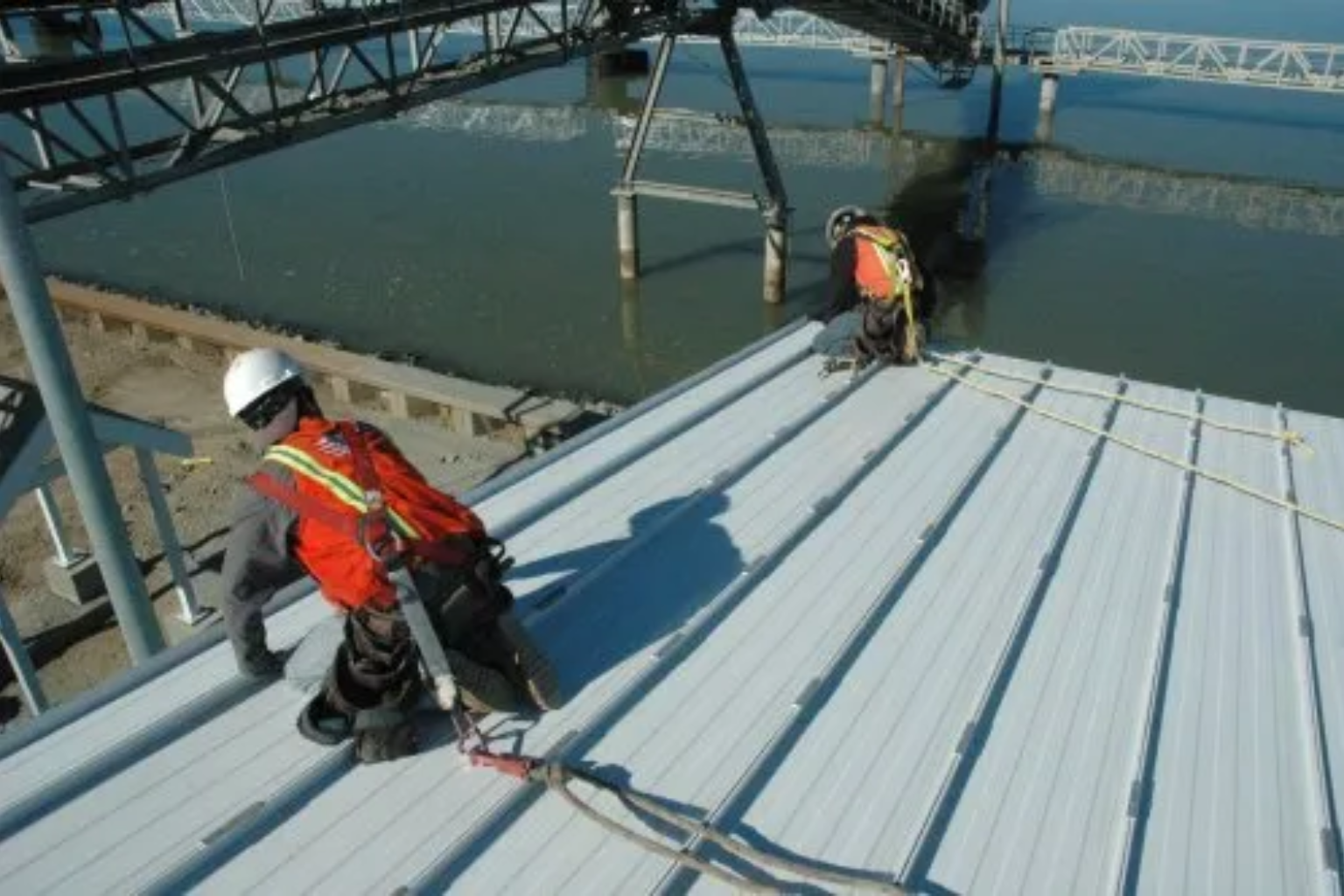
Roof-related projects are one of the most common renovation activities that expose termite damage.
- During roof installation, contractors often remove old materials
- Access roof timbers and inspect framing more closely than during routine maintenance
- Termites are frequently drawn to roof spaces due to moisture from leaks, condensation, or poor ventilation
- Roof timbers provide a consistent food source, and infestations can spread extensively before detection
- When roofing materials are removed, termite galleries, damaged trusses, or mud tunnels may suddenly become visible
In some cases, disturbing the roof structure can even cause termites to relocate deeper into the building if treatment isn’t carried out immediately.
Why Termite Inspections Are Often Skipped Before Renovations
One of the main reasons termite damage is missed during home improvements is that inspections are frequently overlooked in the planning phase. Homeowners tend to focus on design, materials, and budgeting, assuming the structure itself is sound.
- Many believe termite inspections are only necessary when buying or selling a property
- Rely on the absence of visible signs as reassurance
- Builders and renovators may not be qualified to identify early termite activity
- Without a formal inspection, infestations can go unnoticed until construction is underway
At that point, treatment and repairs become reactive rather than preventative, often disrupting timelines and increasing costs.
The Importance of Termite Treatment Before Upgrades
Before starting any major renovation, proactive Termite Treatment should be part of the preparation process. A professional inspection can identify active infestations, previous damage, and risk areas that need protection.
Treating termites before renovations begin allows homeowners to address structural issues early and prevent further spread. It also ensures that new materials, especially timber framing, cabinetry, or roof components, are protected from future infestations.
Preventative termite management is far more cost-effective than repairing structural damage discovered mid-renovation. It also provides peace of mind, knowing that upgrades are being built on a secure foundation.
Wrap Up
Termite damage is often missed during home improvements because it hides behind finishes, thrives in undisturbed spaces, and isn’t routinely checked before work begins. Renovations simply expose what was already there.
Smarter renovation sequencing means starting with inspections and preventative treatments before cosmetic upgrades. Addressing termite risks early allows renovations to proceed smoothly, protects new investments, and avoids unexpected structural setbacks.
When homeowners plan upgrades with termite prevention in mind, they not only protect their property they protect the value of every improvement that follows.