
There’s something quietly reassuring about turning on your tap and trusting that what comes out is clean, safe, and clear. We expect it. We build our lives around it—cooking, showering, drinking, cleaning. Yet, for many homes, especially those relying on wells or located in hard water zones, that simple flow of water isn’t quite as pure as it looks. Beneath its clarity may lie minerals, contaminants, and even invisible threats that, over time, can affect everything from our health to our plumbing. That’s where the conversation around water quality gets real—and why it’s high time to talk about smarter solutions.
When Water Isn’t as Clean as It Seems
Let’s start with the obvious: not all water is equal. City water often travels through miles of pipes before it reaches you, and while municipalities do a solid job of filtration, the aging infrastructure and chlorine-based disinfection methods don’t always leave you with the best end result. Then there’s well water, which doesn’t get any city treatment—it’s raw, untreated, and susceptible to whatever’s happening underground.
I once stayed at a cabin that drew water straight from a private well. Looked fine. Smelled… a bit metallic. Showering left my skin oddly dry, and I could taste something in the coffee. Turns out, the water had a high iron content and a touch of sulfur—nothing dangerous, but definitely unpleasant. And that’s common.
What’s Lurking in Your Water?
You might be surprised. Hard water minerals like calcium and magnesium are top culprits behind scale buildup on fixtures and inside appliances. Iron, as I learned firsthand, can stain your sinks and leave rusty blotches on your laundry. Bacteria, pesticides, nitrates—these can all sneak into your supply, especially in rural areas.
That’s not fearmongering. It’s just the reality of untreated water, and for millions of homeowners, it means investing in reliable water treatment services isn’t optional—it’s essential.
The Case for Water Softeners
Let’s talk hard water for a second. You know that crusty white stuff that clings to your showerhead? That’s limescale, and it’s a telltale sign of hard water. The same minerals are also behind your cloudy glassware, inefficient dishwashers, and shortened appliance lifespans.
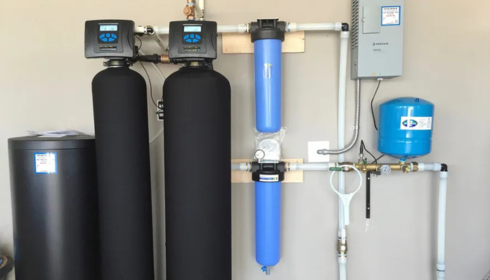
Enter the hero of this part of the story: water softener systems. These clever setups use a process called ion exchange to swap those pesky minerals with something less aggressive—usually sodium or potassium ions. The result? Softer water that’s gentler on your pipes, skin, and wallet.
People often think soft water just makes your shampoo lather better (it does), but there’s more. Your clothes come out softer, your energy bills shrink (thanks to scale-free heaters), and your plumbing breathes easier. Not a bad deal.
But What About Well Water?
If you’re living off the grid—or at least off city plumbing—you’ve got a whole different beast to tame. Well water varies wildly depending on location. It might be mineral-rich, acidic, bacteria-prone, or all of the above. It’s unregulated, too, meaning testing and maintenance fall entirely on the homeowner.
That’s why well water treatment is its own category. It’s not just about filtration; it’s about customizing your system to what’s actually in your water. Maybe you need a sediment filter, a UV purifier, or an iron filter—or maybe a combo of all three. The point is, off-the-shelf solutions rarely cut it for wells. You need something tailor-made.
One Size Doesn’t Fit All (And That’s a Good Thing)
Water treatment isn’t just about slapping a filter on your faucet and calling it a day. It’s about understanding the chemistry of your water and choosing the right fix. For some households, that’s a full-blown reverse osmosis system. For others, it might just be a solid softener or carbon filter.
What matters is knowing what your water needs and treating it accordingly. Testing is the first step—an in-home water test can reveal a surprising amount about your supply. From there, a professional can recommend what makes the most sense.
It’s a bit like going to a tailor instead of buying a suit off the rack. Sure, the ready-made option is easy, but it rarely fits as well as something designed just for you.
Beyond Taste: The Hidden Benefits
People often think about water treatment in terms of taste and smell. And yes, filtered water usually tastes miles better than the unfiltered stuff. But there are deeper wins, too. Your appliances last longer. Your skin doesn’t itch after a shower. Your laundry smells fresher. Even your plants get in on the action—many do better with cleaner, balanced water.
And let’s not forget peace of mind. There’s something empowering about knowing you’ve taken control over what flows into your home.
Sustainability and Smarter Living
Let’s not ignore the elephant in the room—bottled water. It’s convenient, sure, but it’s also a massive environmental burden. Millions of plastic bottles end up in landfills every year, and most of them started out as… tap water.
By investing in at-home treatment, you’re not just improving your life—you’re reducing waste and making a more sustainable choice. It’s a small act with a big ripple effect (pun intended).
Don’t Wait for a Problem to Show Up
Water issues aren’t always obvious. Some build slowly—scale in a water heater, tiny leaks caused by corrosion, trace contaminants in your drinking water. Often, people only realize there’s a problem when it’s already become expensive to fix.
That’s why being proactive matters. Even if your water seems “fine,” it’s worth checking. Testing isn’t costly, and solutions have come a long way—they’re smarter, more efficient, and easier to maintain than ever.
Wrapping It Up
Clean, safe water isn’t a luxury—it’s foundational to a healthy home. Whether you’re battling hard water, relying on a well, or just want to ditch the chlorine taste in your tea, there’s a solution out there waiting for you.
Good water treatment isn’t flashy. You won’t brag about your sediment filter at a dinner party. But you will enjoy softer towels, better-tasting coffee, and a home that just feels… fresher. And honestly? That’s something to raise a glass to.