
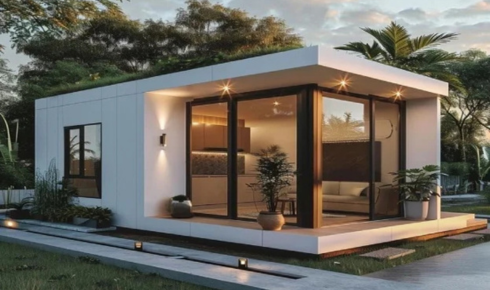
In recent years, portable housing has emerged as a practical alternative to traditional construction. With rising property costs, urban space constraints, and the need for faster housing solutions, people are increasingly exploring modern options like portable structures. A portable house is designed to be movable, cost-effective, and quick to install, making it suitable for a wide range of residential and commercial needs. From personal living spaces to emergency shelters, this housing model is reshaping the way we think about homes.
One of the biggest advantages of portable housing is flexibility. Unlike conventional buildings, these homes can be installed almost anywhere with minimal groundwork. Whether it’s a rural plot, a construction site, a resort location, or even temporary land, portable structures adapt easily. They are especially useful in areas where permanent construction is restricted or impractical. This flexibility makes them popular among homeowners, businesses, and government projects alike.
Another major benefit is speed. Traditional home construction can take several months or even years to complete. Portable homes, on the other hand, are often factory-built and delivered ready for installation. This significantly reduces construction time and labor costs. Many models can be set up within days, allowing people to move in quickly without compromising comfort or safety.
Cost efficiency is another reason for the growing demand. Portable housing generally requires less material and labor compared to brick-and-mortar buildings. Maintenance costs are also lower, as modern materials are designed to withstand weather conditions and wear. For first-time buyers, startups, or anyone working with a limited budget, portable homes offer an affordable yet durable solution without sacrificing essential amenities.
Sustainability is an important factor driving this trend. Most portable housing units are built using eco-friendly materials and energy-efficient designs. They often support solar panels, rainwater harvesting systems, and insulation that reduces energy consumption. Because these homes are prefabricated, construction waste is minimal, making them a more environmentally responsible choice compared to traditional buildings.
Design and comfort have also evolved significantly. Earlier, portable houses were often seen as basic or temporary shelters. Today, they come with modern interiors, proper ventilation, stylish layouts, and customizable features. Buyers can choose the size, layout, finishes, and even add smart-home technology. From compact studio-style units to larger family-friendly layouts, there is a portable home design for every lifestyle.
Portable housing is also widely used beyond residential purposes. It is commonly used for site offices, security cabins, classrooms, clinics, and disaster relief shelters. In emergency situations such as floods or earthquakes, portable units can be deployed quickly to provide safe accommodation. Their mobility and ease of installation make them an essential solution for rapid response needs.
Another key advantage is relocation. If you need to move due to work, business expansion, or personal reasons, portable houses can often be relocated without major losses. This is particularly useful for people who frequently change locations or businesses operating in temporary areas.
In conclusion, portable housing is no longer just a temporary option—it is a smart, modern, and sustainable living solution. With benefits like affordability, quick installation, flexibility, and eco-friendly construction, portable houses are well-suited for today’s fast-changing world. Whether you are looking for a primary residence, a vacation home, or a functional workspace, portable housing offers a reliable and future-ready alternative to traditional construction.