
There’s something oddly personal about water. You don’t always notice it—until you do. Maybe it’s the way your skin feels dry after a shower, or how your morning tea tastes just a little… off. Sometimes it’s subtler than that. A faint residue on your glassware, or that stubborn scale building up around taps like an uninvited guest that refuses to leave.
Most of us grow up assuming water is just… water. You turn on the tap, you use it, end of story. But over time, especially if you’ve lived in different places, you start to realize not all water feels the same. And once you notice it, it’s hard to unsee.
I remember visiting a friend’s house where everything—from the shower to the drinking water—just felt different. Softer, cleaner, lighter somehow. It wasn’t fancy. It was just… better. That’s when the idea of upgrading your home’s water system stops sounding like a luxury and starts feeling like common sense.
Let’s talk about what that actually looks like.
When Water Starts Affecting Your Everyday Life
Hard water is one of those problems people often ignore until it gets annoying enough. You’ll notice your soap doesn’t lather well, your clothes lose that fresh softness, and your appliances—especially things like geysers and washing machines—seem to age faster than they should.
That’s where water softeners quietly step in and do their thing. They’re not flashy, and honestly, you probably won’t think about them much once they’re installed. But the difference? It shows up everywhere. Your skin feels less tight after a shower. Your hair behaves better (which, let’s be real, is a win on its own). Even your bathroom fittings start to look cleaner for longer.
It’s not about perfection. It’s about removing that daily friction you didn’t realize you were dealing with.
Drinking Water That Actually Tastes Like… Nothing
Here’s something interesting—good drinking water shouldn’t have a strong taste. It shouldn’t smell slightly metallic or carry that faint chlorine note that lingers at the back of your throat.
And yet, so many households just live with it.
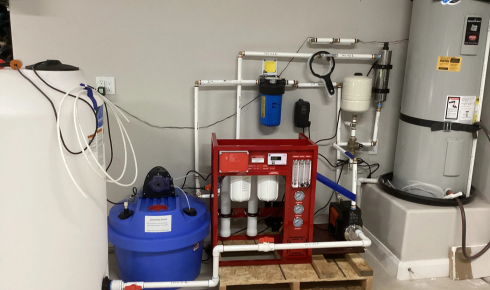
Installing reverse osmosis systems changes that experience in a surprisingly noticeable way. The first glass you drink after switching often feels different enough that you pause for a second. Cleaner. Lighter. Almost neutral, in the best possible sense.
But beyond taste, there’s peace of mind. These systems are designed to remove contaminants that you can’t see or taste anyway—things like dissolved salts, heavy metals, and microscopic impurities. It’s not about being paranoid; it’s about being a little more intentional with something you consume every single day.
You start to trust your water again. That’s a big deal.
Looking at the Bigger Picture of Home Water Quality
Now, here’s where things get interesting. Most people focus on either drinking water or maybe their bathroom experience—but rarely both together. In reality, water touches almost every part of your home life.
Cooking, cleaning, bathing, laundry… it’s all connected.
That’s why some homeowners opt for whole house filtration systems. Instead of fixing one problem at a time, this approach treats water right as it enters your home. It’s like setting the tone for everything that follows.
You’ll notice it in small ways. Your utensils come out cleaner. Your laundry smells fresher without needing extra detergent. Even the air feels a bit different after a shower—less heavy, less chemically.
It’s not about overengineering your home. It’s about consistency. Knowing that every tap delivers water you can rely on.
It’s Not Just About Comfort—It’s About Longevity Too
There’s another side to all this that people don’t talk about enough: your appliances.
Hard water can be surprisingly harsh on internal components. Scale builds up quietly inside pipes, heaters, and machines, slowly reducing efficiency. You might not notice it immediately, but over time, it shows up as higher electricity bills, slower heating, and more frequent repairs.
Cleaner, treated water helps extend the life of these systems. It’s one of those behind-the-scenes benefits—easy to overlook, but incredibly valuable in the long run.
Think of it like regular maintenance, just… automated.
Making the Shift Without Overthinking It
If all of this sounds a bit overwhelming, that’s fair. The idea of changing your home’s water setup isn’t something most people casually plan for.
But here’s the thing—you don’t have to do everything at once.
Some people start with their drinking water and gradually expand. Others begin with solving hard water issues because that’s what bothers them most. There’s no perfect order, no universal checklist. It really depends on what you’re noticing in your own space.
What matters is paying attention.
Once you start noticing the way water behaves in your home—the taste, the texture, the effect on your daily routine—you naturally begin to figure out what needs to change.
A Small Upgrade That Feels Bigger Over Time
The funny thing about improving your water is that it doesn’t feel dramatic at first. There’s no big “wow” moment like a home renovation or a new piece of furniture.
Instead, it’s subtle.
Your morning shower feels a bit nicer. Your tea tastes better. Your skin doesn’t feel as dry by evening. Your appliances run a little smoother. It’s a collection of small wins that quietly stack up.
And one day, you realize—you wouldn’t want to go back.
That’s probably the best way to think about it. Not as a technical upgrade, but as a lifestyle shift. One that you feel more than you see, but one that makes a real difference all the same.