
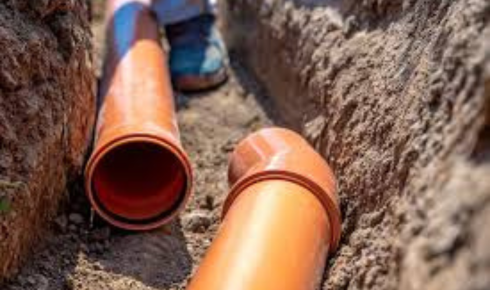
There’s a strange kind of silence that comes with plumbing issues. Not the peaceful kind—but the uneasy quiet where something feels off. Maybe it’s a faint drop in water pressure, or that damp patch in the yard you keep ignoring. Most of us don’t think much about what runs beneath our homes… until it demands attention.
Plumbing, especially the underground kind, has a way of staying invisible—until it doesn’t. And when it surfaces, it often does so with urgency, inconvenience, and, let’s be honest, a bit of stress. But here’s the thing: understanding what’s happening below ground can make a huge difference in how you respond—and how much it ends up costing you.
The Hidden Network Beneath Your Feet
Think of your home like a living organism. The pipes are its veins, quietly carrying water in and waste out, day after day, without applause. Over time, though, even the best systems wear down. Soil shifts. Tree roots grow curious. Materials age.
What starts as a minor issue can slowly evolve into something bigger. A tiny crack in a pipe, for example, might not seem like much—but given enough time, it can lead to leaks, contamination, or even structural damage. That’s why early awareness matters more than most people realize.
When Water Stops Flowing the Way It Should
You turn on the tap, and the pressure feels… off. Not terrible, just not right. Maybe the water looks slightly discolored, or there’s a subtle metallic smell. These are often the first whispers of a deeper issue.
In many cases, this is where water line repair becomes part of the conversation. It’s not always dramatic—sometimes it’s just about fixing a worn-out section of pipe or addressing a hidden leak. But ignoring it? That’s where problems tend to snowball.
A damaged water line doesn’t just affect convenience. It can increase your utility bills, reduce water quality, and even lead to long-term property damage. The tricky part is that these issues don’t always show themselves clearly. You have to pay attention to the small signs—the ones we’re all tempted to brush off during a busy week.
The Messier Side of Plumbing Problems
If water lines are the clean side of the system, sewer lines are… well, not. And when something goes wrong here, it rarely stays subtle for long.
Slow drains, unpleasant odors, or that gurgling sound you can’t quite place—these are often early indicators. And when they show up, it’s usually time to consider sewer line repair.
Unlike other home repairs, sewer issues tend to escalate quickly. A minor blockage can turn into a full backup, and suddenly you’re dealing with something far more disruptive than you planned for. It’s not just about inconvenience—it’s about hygiene, safety, and protecting your living space.
What many homeowners don’t realize is that sewer lines are especially vulnerable to external factors. Tree roots, for instance, are surprisingly persistent. They can find their way into tiny cracks and expand them over time, turning a small issue into a major one.
Rethinking Old Systems and New Possibilities
Some homes, especially older ones or those in rural areas, rely on septic systems. These setups can work well for years, but they’re not always the best long-term solution—particularly as neighborhoods grow and infrastructure evolves.
That’s where septic conversions come into play. Transitioning from a septic system to a municipal sewer connection can offer a range of benefits, from improved reliability to reduced maintenance concerns.
It’s not a decision people make lightly. There are costs involved, permits to consider, and sometimes a bit of disruption during the process. But for many homeowners, the long-term peace of mind is worth it. No more worrying about tank capacity or scheduling regular pump-outs—it’s a shift toward a more streamlined system.
Why Timing Matters More Than Perfection
Here’s something that doesn’t get said enough: you don’t have to wait for a full-blown emergency to take action. In fact, the best time to address plumbing issues is often when they’re still manageable.
There’s a tendency to delay—life gets busy, budgets get tight, and plumbing doesn’t always feel urgent. But small fixes are almost always easier (and cheaper) than major repairs. It’s one of those rare cases where a little attention now can save a lot of trouble later.
And honestly, there’s a certain relief that comes with knowing everything beneath your home is working as it should. It’s not glamorous, but it’s foundational. The kind of thing you don’t think about… because you don’t have to.
Choosing the Right Approach (Not Just the Quick One)
When problems do arise, it’s tempting to look for the fastest fix. Patch it up, move on, forget about it. But underground plumbing doesn’t always respond well to shortcuts.
A thoughtful approach—whether it’s a targeted repair or a more comprehensive upgrade—tends to pay off in the long run. It’s about understanding the root cause, not just the symptoms. And sometimes, that means taking a step back and looking at the bigger picture.
Is the issue isolated, or part of a larger pattern? Are the materials aging across the system, or is it just one section? These are the kinds of questions that lead to better decisions.
A Quiet System Worth Paying Attention To
At the end of the day, plumbing isn’t something most of us get excited about. It doesn’t have the visual appeal of a kitchen remodel or the immediate impact of new flooring. But it plays a role in almost every moment of daily life.
Clean water, efficient drainage, a home that feels safe and functional—these are things we often take for granted. Until, of course, something goes wrong.
So maybe the takeaway here is simple: listen to your home. Pay attention to the subtle signs. Don’t wait for a crisis to start caring about what’s happening underground.
Because when everything is working the way it should, you probably won’t notice it at all. And honestly, that’s kind of the point.