
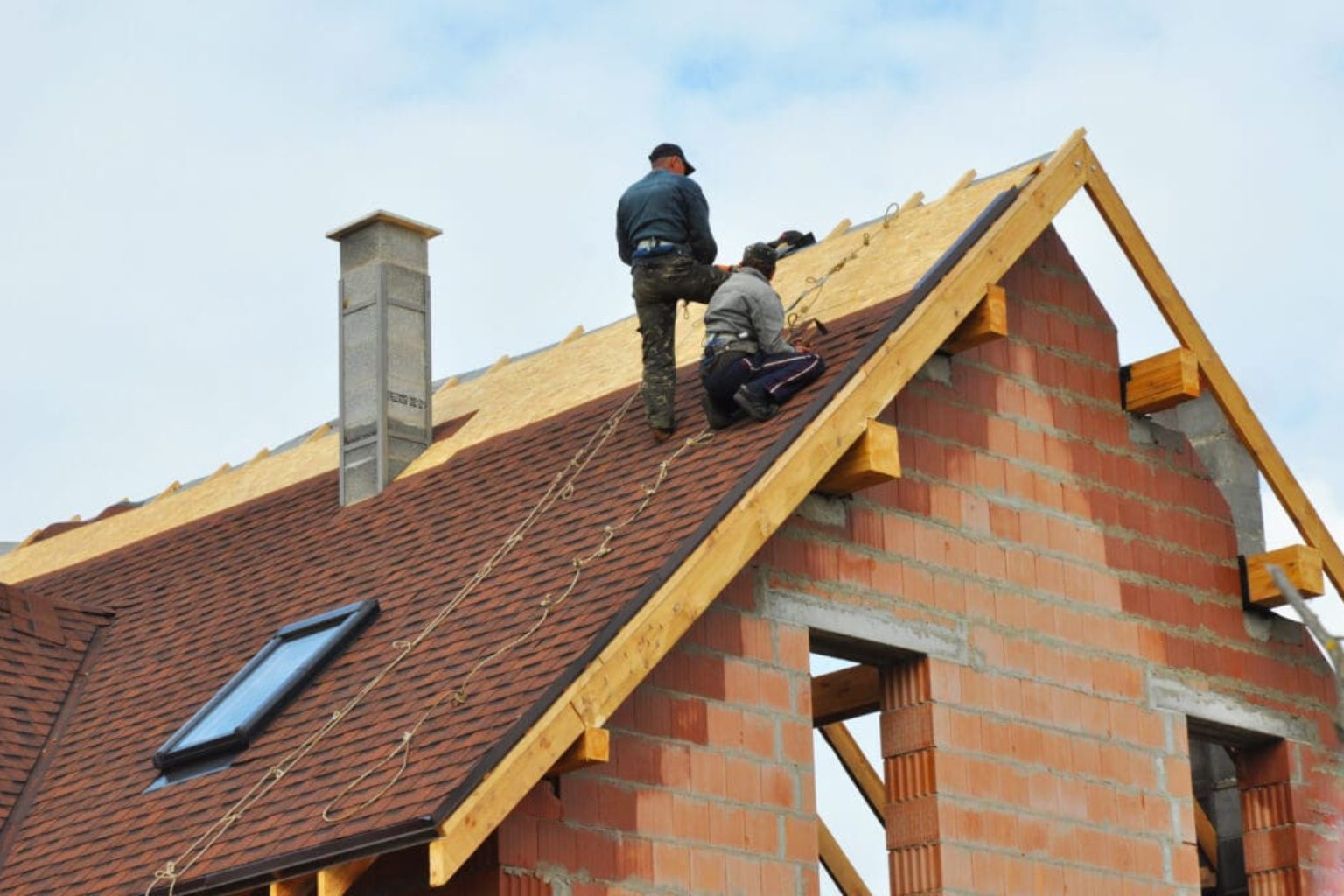
There’s something quietly reassuring about a solid roof. You don’t think about it much on good days. It just sits there, doing its job—keeping the heat out, the rain off, the noise of the outside world slightly softened. But the moment something goes wrong—a faint drip, a missing shingle, a damp patch creeping along the ceiling—it suddenly becomes the most important part of your home.
I remember the first time I noticed a leak. It wasn’t dramatic. No storm, no chaos. Just a slow, stubborn drip that showed up during a light rain. Funny how problems like that sneak in quietly, almost politely, before demanding your full attention.
And that’s where the real journey begins—figuring out what’s wrong, who to call, and how deep you’re willing to go to fix it properly.
Understanding the Real Condition of Your Roof
A lot of people assume roof issues are obvious. They expect visible damage—cracked tiles, sagging edges, or water pouring in like a movie scene. But most problems start small. Subtle. A loose flashing here, worn-out underlayment there.
The truth is, roofs age in layers. The outer surface might still look fine, but underneath, things could be quietly deteriorating. Moisture gets trapped, insulation weakens, and over time, it all adds up.
That’s why inspections matter more than we usually admit. Not just when something breaks—but before it does.
And yes, calling experienced roofing contractors can feel like a big step. But it’s often the difference between a minor repair and a major expense later on. The good ones don’t just fix what’s visible—they look deeper, ask questions, and sometimes even tell you things you didn’t expect to hear.
The Human Side of Hiring Professionals
Let’s be honest—finding someone you trust with your home isn’t easy. There’s always that slight hesitation: Are they overcharging? Are they cutting corners? Are they even telling the truth?
But every now and then, you come across professionals who change that perception. They show up on time, explain things in simple language, and don’t rush you into decisions.
I once met a contractor who spent more time explaining what didn’t need fixing than what did. That stuck with me. It felt… rare.
Good service isn’t just about skill. It’s about transparency. About making you feel like you’re part of the process, not just a bill waiting to be paid.
When It Comes to Homes, Details Matter
Your house isn’t just a structure. It’s where your routines live. Morning tea, late-night scrolling, weekend cleaning sprees—everything happens under that roof.
That’s why residential roofing is more than just installation or repair. It’s about understanding how people live in their spaces. A family home has different needs compared to a rental property or a holiday house.
Ventilation, insulation, durability—these aren’t just technical terms. They affect comfort, energy bills, even your sleep sometimes. Ever tried sleeping during a summer night with poor roof insulation? Yeah, not fun.
And then there’s aesthetics. A roof contributes more to your home’s look than most people realize. The color, the texture, the alignment—it all adds up to that first impression.
So when you’re making decisions, it’s worth slowing down a bit. Ask questions. Look at options. Because once it’s done, you’ll be living with that choice for years.
Not All Roofs Are Built the Same
Switch contexts for a moment—think about office buildings, warehouses, shopping complexes. These aren’t just bigger versions of homes. They’re entirely different ecosystems.
The demands are higher. The stakes, too.
That’s where commercial roofing comes into play. It’s less about looks and more about performance, durability, and efficiency. Flat roofs, drainage systems, weather resistance—everything has to be engineered for scale.
I’ve heard stories of businesses losing thousands because of a minor roofing oversight. A small leak that damaged inventory. A poorly installed system that led to repeated repairs.
In commercial settings, mistakes multiply quickly. Which is why expertise matters even more. You’re not just protecting a building—you’re protecting operations, employees, and revenue.
Repair or Replace? That Constant Dilemma
This question comes up a lot. Should you repair what’s broken or replace the whole thing?
And honestly, there’s no one-size-fits-all answer.
Sometimes, a simple fix is enough. A patch here, a seal there—and you’re good for another few years. Other times, repairs become a cycle. You fix one issue, and another pops up.
That’s when replacement starts to make sense—not as an expense, but as an investment.
It’s a bit like holding onto an old phone. You keep repairing it because it’s cheaper in the moment. But eventually, you realize you’ve spent more fixing it than buying a new one would’ve cost.
Roofs can be like that too.
Weather, Time, and Everything In Between
If there’s one thing roofs don’t get a break from, it’s the weather.
Sun, rain, wind, dust—it all takes a toll. Especially in places where temperatures swing wildly or storms are frequent. Over time, materials expand, contract, weaken, and sometimes fail.
And then there’s time itself. Even the best roofs have a lifespan. They age, just like everything else.
The key is not to wait until things fall apart. Regular maintenance, timely repairs, and a bit of attention can extend that lifespan significantly.
Ending Thoughts—It’s More Personal Than You Think
At the end of the day, a roof isn’t just a technical component of a building. It’s part of your everyday life, even if you rarely notice it.
It’s there during quiet nights, loud storms, family gatherings, and those random afternoons when you just sit back and do nothing.
Taking care of it isn’t just about avoiding problems. It’s about preserving comfort. Stability. A sense of safety that’s easy to overlook until it’s gone.
So whether you’re dealing with a small leak or considering a full replacement, take your time. Ask the right questions. Work with people who respect your space.
Because when it comes to something that literally sits over your head, it’s worth getting it right.