
Water is one of those everyday things we barely think about—until it starts causing problems. A strange taste in your morning coffee. White spots on freshly washed glasses. Dry skin that never seems to improve, no matter how expensive the lotion is. These little annoyances often feel random, but they’re usually your home quietly telling you something about the water running through it.
Most of us grow up believing that if water looks clear, it must be fine. But clarity doesn’t always equal quality. Minerals, chemicals, and unseen contaminants can still be present, shaping how water feels, tastes, and behaves in daily life. And once you start paying attention, you realize how deeply water quality affects comfort, health, and even household costs.
I didn’t think much about it myself until a plumber casually mentioned how hard water was wearing down my fixtures faster than normal. That offhand comment sent me down a rabbit hole of research—and honestly, I wish I’d learned about this stuff years earlier.
The Hidden Role Water Plays in Daily Comfort
Water touches almost everything in a home. It runs through appliances, pipes, and your body multiple times a day. When it’s not balanced properly, small issues stack up. Soap doesn’t lather well. Laundry feels stiff. Showers leave skin itchy instead of refreshed.
Over time, mineral-heavy water can shorten the lifespan of water heaters, washing machines, and dishwashers. That’s not just an inconvenience—it’s real money quietly draining away. The frustrating part is that many homeowners assume this kind of wear and tear is normal. It doesn’t have to be.
This is where water specialists become valuable, not because they sell something flashy, but because they help decode what’s actually happening inside your pipes. A simple water test can explain years of mystery stains, odd tastes, or recurring plumbing issues. It’s less about “fixing” water and more about understanding it.
Hard Water, Soft Problems? Not Quite
Hard water is common, especially in areas with mineral-rich groundwater. Calcium and magnesium aren’t harmful in small amounts, but when they build up, they leave behind scale. You see it on faucets, inside kettles, and deep in plumbing where you can’t reach.
Softening water isn’t about luxury—it’s about efficiency. Appliances run smoother. Heating elements work better. Even cleaning becomes easier. Suddenly, you’re using less soap and fewer harsh cleaners, which is better for both your home and the environment.
Some people worry that treated water will feel unnatural or “too soft.” In reality, properly balanced systems aim for comfort, not extremes. The goal isn’t to strip water of everything—it’s to bring it into harmony with how we actually use it.
Technology Has Quietly Improved (A Lot)
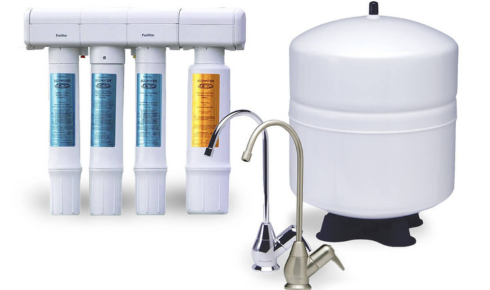
Modern solutions aren’t bulky, complicated machines like they used to be. Today’s systems are smarter, more efficient, and often surprisingly low-maintenance. Brands like ecowater systems focus on optimizing water quality without wasting resources, which matters more now than ever.
What impressed me most while researching wasn’t the tech itself, but the mindset shift. Newer systems are designed with sustainability in mind—using less salt, regenerating only when needed, and reducing unnecessary water usage. It’s a far cry from the “set it and forget it” machines of the past.
That balance between performance and responsibility is important. Clean water shouldn’t come at the cost of excess waste, and thankfully, it doesn’t have to anymore.
Taste, Health, and Peace of Mind
Drinking water is personal. Some people are fine with tap water as-is, while others rely entirely on bottled alternatives. The irony is that many bottled waters simply come from treated municipal sources anyway—just with a plastic wrapper and a higher price tag.
Improving your home’s water quality can change how you feel about what comes out of the tap. Coffee tastes cleaner. Ice cubes are clearer. Cooking feels more intentional. There’s a quiet confidence that comes from knowing what you’re putting into your body every day.
And it’s not just about drinking. Showering in balanced water can be gentler on skin and hair. Families with kids or sensitive skin often notice the difference first. It’s subtle, but once you experience it, going back feels hard.
Not All Solutions Are One-Size-Fits-All
One of the biggest misconceptions is that every home needs the same setup. In reality, water varies wildly from region to region—even from street to street. That’s why blanket advice rarely works.
Effective water treatment starts with testing and context. Is the issue hardness, iron, chlorine, or something else entirely? Treating the wrong problem can be just as frustrating as doing nothing at all.
A thoughtful approach looks at how water is used in a household. A large family with heavy laundry needs will have different priorities than a couple living in a small apartment. Flexibility matters, and good solutions account for that.
The Long-Term View
What surprised me most was how quickly the benefits added up. Lower soap usage. Fewer plumbing repairs. Less time scrubbing residue off sinks and showers. These aren’t dramatic, headline-worthy changes—but they improve daily life in small, meaningful ways.
There’s also something reassuring about reducing reliance on bottled water. Fewer plastic bottles, fewer trips to the store, and less clutter. It feels like a quiet win for both convenience and conscience.
Water is such a constant presence that improving it doesn’t feel exciting at first. But over time, it becomes one of those background upgrades you’re grateful for every single day.
Listening to Your Water
If there’s one takeaway here, it’s this: pay attention. Your water is always communicating—through taste, feel, and even sound in your pipes. Those signals aren’t something to ignore or normalize.
You don’t need to become an expert overnight. Start with curiosity. Ask questions. Test your water. Small steps lead to informed decisions, and informed decisions lead to better living.
At the end of the day, water isn’t just a utility. It’s part of your home’s ecosystem, shaping comfort, health, and sustainability in ways we often overlook. When you take the time to understand it, you’re not just improving water—you’re improving daily life.