
Water is one of those things we don’t think about until it starts acting up. A faint smell in the shower. Chalky residue on your glasses. Hair that never quite feels clean, no matter the shampoo. These small annoyances tend to pile up quietly, until one day you’re standing at the sink wondering if this is just “how it is” where you live—or if something can actually be done about it.
For many homeowners, that moment is the beginning of a deeper relationship with their water. Not a dramatic one. More like a slow realization that water quality affects daily life in ways that are both subtle and surprisingly personal.
The invisible roommate in your house
Tap water is an invisible roommate. It’s there when you wake up, when you cook dinner, when you brush your teeth half-asleep. It flows through pipes you never see and systems you rarely question. And yet, its behavior leaves clues everywhere. Spots on dishes. Scale around faucets. Clothes that fade faster than they should.
People often assume these issues are just cosmetic or unavoidable. But over time, they affect appliances, plumbing, skin comfort, and even how your home feels. Once you start paying attention, it’s hard to ignore.
Why “clean” doesn’t always mean comfortable
Municipal water meets safety standards, and that matters. But safety and comfort aren’t the same thing. Water can be safe to drink and still be hard, mineral-heavy, or chemically sharp. It can protect public health while still being rough on your home.
That’s where the conversation usually shifts—from “Is my water safe?” to “Is my water right for how I live?”
Some homeowners begin researching options after replacing a water heater too early. Others notice their kids’ skin getting dry. A few simply get tired of scrubbing white residue off everything they own.
The appeal of smarter treatment systems
There’s no shortage of filters and gadgets promising better water. Pitchers, faucet attachments, under-sink units—they all have their place. But many people eventually realize they’re treating symptoms, not the source.
Whole-home systems approach the problem differently. Instead of filtering water at a single point, they treat it as it enters the house. The idea is simple: if every drop is improved from the start, every tap benefits without extra effort.
This is where systems known for reliability and efficiency start to stand out, especially brands associated with long-term performance and low maintenance.
What “quality” actually feels like
Marketing loves the word “quality,” but in water, it shows up in everyday moments. Soap that lathers easily. Glassware that dries clear. Showers that feel gentler. Laundry that smells fresher without extra detergent.
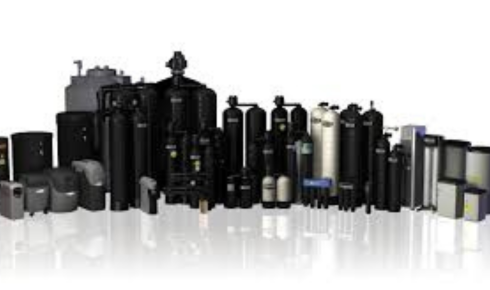
Homeowners who install systems known for kinetico quality water often describe these changes not as dramatic, but as calming. There’s less friction in daily routines. Fewer chores feel like battles. Water stops being something you fight against.
And that, oddly enough, is when you stop thinking about it so much. Good water fades into the background, which is exactly what you want.
Living in a region with personality
Geography matters. Soil composition, groundwater sources, and local treatment methods all influence what comes out of your tap. In places with limestone-rich ground, hardness is common. In warmer regions, water usage patterns add another layer of complexity.
Homeowners in central florida often notice these regional traits early on. Scale buildup can be fast. Appliances work harder. Outdoor watering needs collide with indoor comfort. None of this is unusual—but it does mean that one-size-fits-all solutions rarely feel perfect.
Understanding your local water profile helps explain why certain systems perform better than others in specific environments.
Beyond filters: systems that work without fuss
One reason some treatment systems earn long-term loyalty is how quietly they do their job. No electricity. No complicated programming. No constant reminders that something needs replacing.
That’s part of the appeal of kinetico water treatment systems for homeowners who don’t want another device demanding attention. Once installed, they operate based on actual water usage, adjusting naturally instead of running on timers. It’s a small detail, but one that reflects a bigger philosophy: let the system respond to real life, not the other way around.
Over time, this kind of design choice adds up. Fewer service calls. More consistent performance. Less mental overhead.
Water and the feeling of home
There’s a quiet emotional side to water quality that doesn’t get talked about much. Home is where routines live. Morning coffee. Evening dishes. Weekend laundry. When water works with you instead of against you, those routines feel smoother.
People sometimes say their home feels “lighter” after improving their water. Not because the house changed, but because friction disappeared. It’s one less thing to manage, one less irritation humming in the background.
That’s hard to quantify, but easy to recognize once it’s gone.
Making the choice without pressure
Choosing a water treatment system shouldn’t feel like a sales pitch or a science exam. It’s a practical decision rooted in how you live and what annoys you most right now.
Some homeowners prioritize appliance longevity. Others care about skin comfort. A few just want their water to taste better without hauling bottled cases from the store. All of these are valid starting points.
The best systems tend to be the ones that fit quietly into your life, rather than reshaping it around maintenance schedules and replacements.
A thoughtful ending, not a hard sell
At the end of the day, water quality isn’t about chasing perfection. It’s about reducing friction. Making daily tasks easier. Protecting your home without constantly thinking about it.
When your water stops being a problem, you stop talking about it—and that’s usually the sign you made the right call. Good water doesn’t announce itself. It just shows up, day after day, doing its job.
And sometimes, that’s exactly what quality feels like.