
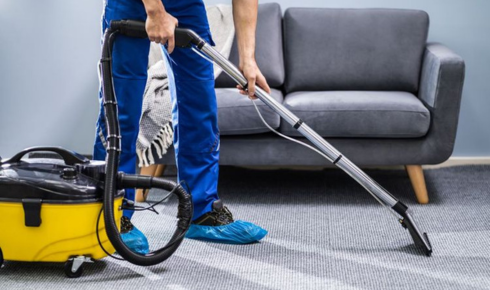
Carpet cleaning looks deceptively simple. Rent a machine, buy a detergent, run it across the floor, and the job is done. At least, that’s the assumption many homeowners and tenants make—until the carpet takes longer to dry than expected, stains reappear within weeks, or the room is left with a damp, musty smell that wasn’t there before.
In a city like Dublin, where humidity, older housing stock, and high foot traffic all affect flooring, carpet cleaning is rarely just a surface-level task. The difference between a genuinely clean carpet and one that only looks clean for a short time often comes down to experience—not price, not promises, and certainly not DIY enthusiasm.
This article explains why experienced carpet cleaning companies consistently outperform DIY methods and low-cost newcomers, especially in real-world Dublin homes and commercial spaces.
The Hidden Complexity Beneath “Just a Carpet”
From the outside, a carpet is fabric. Underneath, it’s a layered system: fibres, backing, padding, subfloor. Each layer reacts differently to moisture, heat, chemicals, and agitation.
Experienced carpet cleaners understand this because they’ve seen what goes wrong.
- Wool reacts very differently from synthetic fibres
- Older carpets behave differently from newer installations
- Stains caused by protein, oil, or tannins require different treatments
- Over-wetting can damage adhesive layers and floorboards underneath
DIY machines and budget operators often apply a one-size-fits-all approach. It’s faster. It’s cheaper. And it’s risky.
An experienced professional adjusts pressure, temperature, chemistry, and dwell time based on the carpet itself—not a preset button on a rented machine.
Why DIY Carpet Cleaning Often Fails (Even When Done “Right”)
DIY carpet cleaning doesn’t usually fail because people are careless. It fails because the tools and knowledge are limited.
1. Consumer Machines Lack Proper Extraction Power
Most rented or store-bought machines can apply water, but they struggle to remove it effectively. That leaves moisture deep in the fibres and padding.
In Dublin’s climate, this often means:
- Extended drying times
- Odour development within 24–48 hours
- Increased risk of mould or bacterial growth
Professional truck-mounted or high-grade portable systems extract significantly more water in a single pass. That difference alone can determine whether a carpet dries in hours or days.
2. Detergent Residue Creates a “Dirt Magnet”
DIY solutions are often over-applied. Excess detergent isn’t fully rinsed out, leaving a sticky residue behind.
The result?
- Carpets look clean for a short time
- Dirt re-attaches quickly
- High-traffic areas darken again within weeks
Profesional cleaners focus on proper rinsing and neutralisation, not just visible results.
3. Stains Are Frequently Set, Not Removed
Heat and incorrect chemicals can permanently set certain stains—especially pet accidents, wine, coffee, or makeup.
Once that happens, even professional treatment may not fully reverse the damage.
Experienced companies identify stain types before treatment. DIY methods usually discover the mistake after it’s too late.
The Problem with Low-Cost Starter Carpet Cleaners
Low prices are appealing. But in carpet cleaning, low cost often signals low margins, which leads to shortcuts.
Common issues with inexperienced or underpriced operators:
- Minimal training
- Entry-level equipment
- Rushed jobs to maintain profitability
- Limited understanding of fibre types
- No real plan for stain complications
Many are not intentionally careless—they’re simply still learning on customers’ carpets.
Experienced companies have already paid for those mistakes years ago. You’re not funding their learning curve.
Experience Means Pattern Recognition, Not Guesswork
The biggest advantage of experience isn’t better marketing or longer service lists. It’s pattern recognition.
An experienced cleaner can often tell:
- Whether a stain will lift fully or partially
- If a carpet has been previously over-wet
- Whether odours originate from the surface or underlay
- If aggressive cleaning will cause shrinkage or texture distortion
These judgments happen quickly, often before equipment is unloaded.
DIY and low-cost operators rely on trial and error. Experienced professionals rely on memory.
Drying Time: The Most Underrated Quality Metric
Clients often focus on how clean a carpet looks immediately after cleaning. Professionals focus on how it dries.
Fast, controlled drying:
- Prevents odours
- Preserves carpet backing
- Protects subfloors
- Reduces disruption to homes and businesses
Experienced cleaners manage airflow, extraction strength, and moisture levels deliberately. Many budget jobs leave drying entirely to chance.
If a carpet smells worse after cleaning than before, the problem isn’t the carpet—it’s the process.
Health, Hygiene, and Indoor Air Quality
Carpets act like filters. They trap dust, allergens, skin particles, and pollutants over time.
Poor cleaning can:
- Redistribute allergens rather than remove them
- Leave microbial residues behind
- Trigger respiratory irritation
Experienced carpet cleaning companies understand hygienic cleaning, not just cosmetic cleaning. This is especially important in homes with children, pets, or allergy sufferers.
Commercial vs Residential: Experience Scales Differently
In offices, hotels, and rental properties, carpet cleaning mistakes carry financial consequences:
- Downtime
- Tenant complaints
- Accelerated carpet replacement
Experienced companies plan cleaning around use patterns, access constraints, and wear zones. They don’t treat a hotel corridor like a spare bedroom.
This is one reason established Dublin providers are repeatedly chosen by property managers and long-term landlords rather than one-off discount operators.
Cost Over Time: The False Economy of Cheap Cleaning
Cheap cleaning often becomes expensive cleaning.
Repeated poor treatments can:
- Shorten carpet lifespan
- Require more frequent cleaning
- Lead to premature replacement
An experienced carpet cleaner focuses on preservation, not just appearance. When carpets last longer, total costs drop—even if individual cleans cost more.
Why Dublin Homes Benefit More from Experience Than Most Cities
Dublin presents unique challenges:
- Higher humidity than many European cities
- A large volume of older housing
- Mixed carpet materials across decades of renovations
Experience matters more in environments where conditions are unpredictable.
Companies that have worked across Dublin neighbourhoods for years understand how local housing stock behaves. That knowledge isn’t taught in manuals—it’s earned.
Choosing Experience Without Overpaying
Experience doesn’t mean choosing the most expensive option. It means asking better questions:
- How long have you been cleaning carpets professionally?
- What fibre types do you work with most often?
- How do you control drying times?
- What happens if a stain doesn’t respond as expected?
Clear, confident answers usually indicate real experience.
One established example in the local market is Happy Clean Dublin, which operates with a strong focus on proper extraction, fibre-safe methods, and long-term carpet care rather than quick cosmetic results.
Final Thoughts: Clean Is Temporary, Damage Is Permanent
Anyone can make a carpet look cleaner for a few days. Not everyone can clean it without harming it.
DIY methods and low-cost starters often focus on speed and surface appearance. Experienced carpet cleaning companies focus on outcomes that last—cleanliness, hygiene, structural integrity, and drying control.
In a city like Dublin, that difference matters.
Because once a carpet is damaged, no amount of cleaning—cheap or expensive—can undo it.