
You probably don’t think about the water coming out of your tap all that much — until it tastes weird, leaves spots on your glassware, or turns your morning shower into a drying nightmare. The truth is, what looks like clean water isn’t always as pure as it seems. That’s where a little home-level intervention can make a big difference.
Whether it’s the metallic aftertaste in your coffee, the flaky white stuff on your faucets, or dry skin that just won’t quit — your water might be the sneaky culprit. Let’s dive into the world of water softeners, filters, and reverse osmosis systems. Not in a boring, overly technical way — just honest, practical insights.
Hard Water Isn’t Just a Plumbing Problem
Let’s start with a little reality check. If you live in a hard water area, you’re likely battling with minerals like calcium and magnesium every single day. They’re not harmful per se, but they are annoying. They clog pipes, ruin appliances, leave limescale everywhere, and make your soap useless.
That’s where water softeners come in. These systems swap those pesky minerals with sodium or potassium, which means softer water and less scaling. You’ll notice the difference — dishes are cleaner, skin feels smoother, and your washing machine doesn’t sound like it’s giving up on life.
Filters Aren’t All Created Equal
Here’s a fun exercise: go fill a glass of water, hold it up to the light, and ask yourself — do you really trust what’s in there? Municipal water gets treated, sure, but that doesn’t mean it’s free of contaminants. Between old pipes, local runoff, and chemical residues, your “clean” water might have some unwanted extras.
Enter water filtration systems. These aren’t your basic jug filters from the grocery store — we’re talking under-sink or whole-house setups that trap chlorine, sediment, heavy metals, and even weird tastes. The right filtration system can make your water taste crisper, smell better, and just feel more refreshing.
It’s not just about taste though — for families with kids, immune-compromised folks, or anyone with allergies, filtration can be a quiet game-changer.
Let’s Talk About Reverse Osmosis (RO)
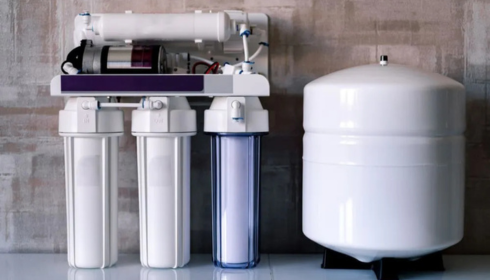
Of all the water treatment options out there, reverse osmosis systems tend to stir up the most curiosity. They sound fancy — and they are, but in a good way. These systems push water through a semipermeable membrane that strips out contaminants like lead, fluoride, nitrates, and more.
It’s like water goes to therapy and comes out completely detoxed.
Now, RO systems aren’t for everyone. They’re a bit more intensive and may require more space under your sink. Plus, they tend to waste a bit of water during the process. But if you’re after near-pure water for drinking and cooking, nothing else really compares. Especially for households with high water quality concerns — or where the tap water just tastes… off.
What to Choose? It’s Not One-Size-Fits-All
Here’s the deal: not every home needs the same solution. If your biggest beef is hard water, go for a softener. If you’re worried about what’s in the water itself, filters or RO make more sense. And sometimes — especially in older homes — a mix of systems is the sweet spot.
A lot of people think they need to choose just one fix, but you can absolutely combine solutions. For instance, you might use a whole-house water softener to protect your plumbing and appliances, and then install an RO system under the kitchen sink for top-tier drinking water. It’s about building a setup that fits your needs — not what a brochure says you should want.
The Maintenance Reality Check
Let’s not pretend these systems are install-and-forget. They need upkeep. Softeners require salt refills, filters have cartridges to swap out, and RO systems need regular flushing and occasional part replacements.
But here’s the thing: the maintenance isn’t crazy. And compared to the cost of replacing ruined appliances, dry skin treatments, or bottled water habits? It’s an investment that makes a lot of sense — especially over time.
Real-Life Wins from Better Water
We’ve helped enough folks install water treatment systems to know the feedback is always some version of: “Why didn’t we do this sooner?”
Suddenly, laundry feels softer. Coffee tastes better. No more chalky residue in the shower. Even pets seem to love the switch. The changes aren’t always dramatic — they’re subtle but persistent. And honestly, there’s something comforting about knowing your home’s water is something you can actually control.
Final Thoughts: Water Deserves Better Than the Bare Minimum
Look, water is one of those everyday things we take for granted — until we don’t. And once you’ve experienced better water at home, there’s no going back. Whether it’s through water softeners, water filtration systems, or reverse osmosis systems, upgrading your water is one of the most practical, long-lasting home improvements you can make.