
There’s something oddly comforting about turning on a tap and trusting what flows out of it. Most of us don’t think twice — until we do. Maybe it’s the chalky residue on your glassware, or the faint smell you can’t quite ignore anymore. Sometimes it’s just a gut feeling that something’s… off.
I didn’t grow up thinking much about water quality either. It was just there — a given. But over time, small annoyances started stacking up. Dry skin, stubborn stains, a kettle that never quite looked clean. And somewhere between frustration and curiosity, I realized how much our everyday water quietly shapes our lives.
The Subtle Signs We Often Ignore
It’s funny how easy it is to overlook the little things. Hard water leaves marks, sure, but we wipe them away and move on. Soap doesn’t lather well? We switch brands. Hair feels dull? Maybe it’s the weather.
But those signs aren’t random. They’re clues.
Hard minerals like calcium and magnesium can quietly build up in pipes, appliances, even on your skin. Over time, it’s not just about aesthetics — it becomes about efficiency, cost, and comfort. You start replacing things more often. Cleaning becomes harder. And somehow, your home doesn’t feel as “fresh” as it should.
That’s usually where people begin exploring water softeners, not because they want fancy upgrades, but because they’re tired of working around problems that shouldn’t exist in the first place.
When “Clean” Water Isn’t Really Clean
Here’s the thing most people don’t realize — clear water isn’t always clean water.
Tap water can contain chlorine, sediments, heavy metals, and other contaminants depending on your area. Even if it meets safety standards, that doesn’t mean it’s ideal for daily use. Taste, odor, and long-term exposure all play a role.
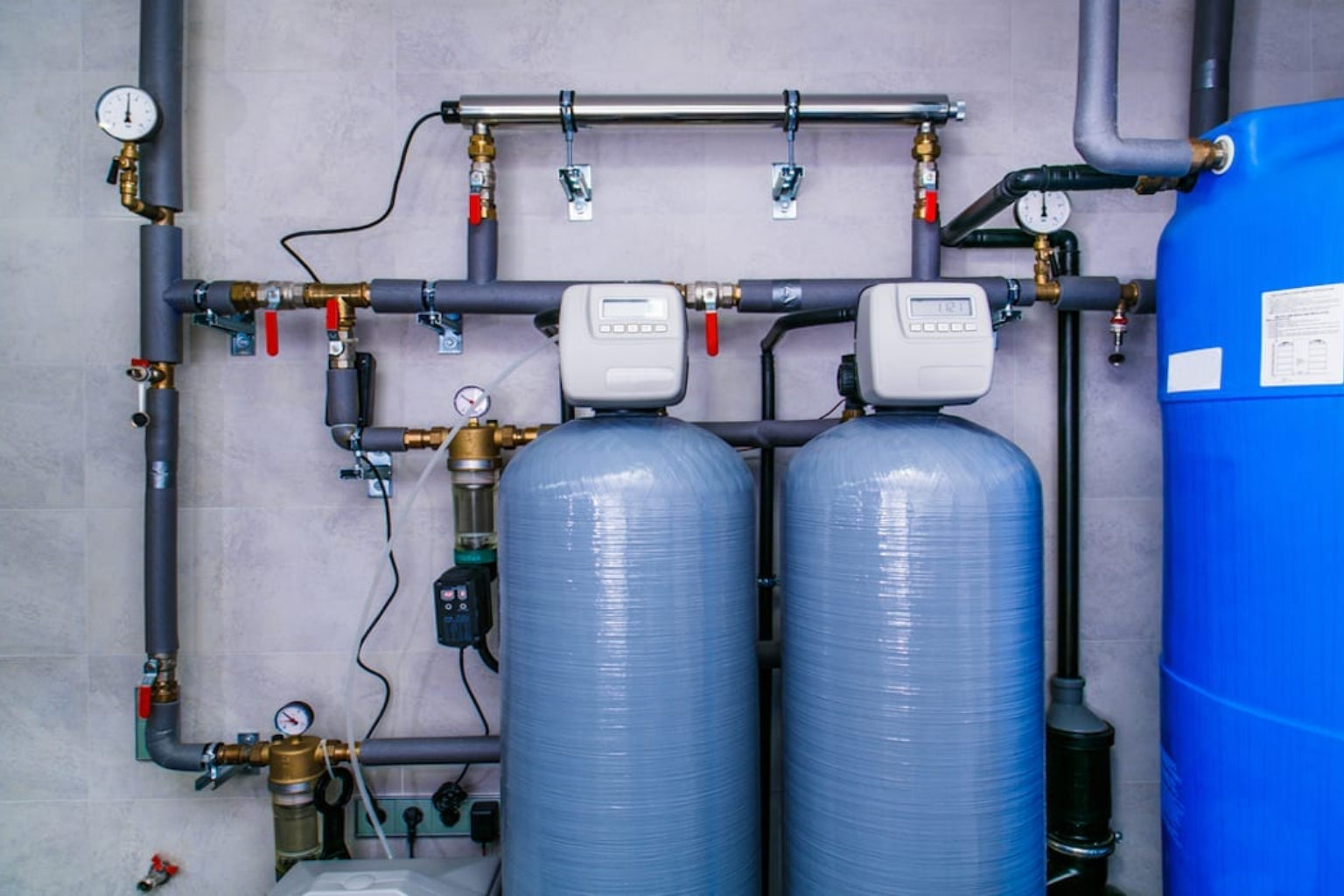
I remember visiting a friend who had recently installed a whole house water filtration system. It wasn’t something you noticed immediately, but over a day or two, the difference became obvious. The water tasted better. Showers felt… softer, almost. Even the air in the house felt cleaner, if that makes sense.
And that’s the point — good water doesn’t shout. It just quietly improves everything.
The Kitchen Sink Perspective
If there’s one place where water quality becomes undeniable, it’s the kitchen.
Cooking, drinking, making tea or coffee — this is where even the smallest impurities show up. That slight metallic taste, the film on top of boiled water, the way ice cubes look cloudy instead of clear.
For many households, this is where reverse osmosis systems come into the picture. They’re not about luxury; they’re about precision. Filtering water at a molecular level, removing things you didn’t even know were there.
And once you get used to that crisp, clean taste… it’s hard to go back.
More Than Just Convenience
It’s easy to think of water treatment as a convenience upgrade. Something optional. Nice to have, maybe.
But spend enough time dealing with poor water, and your perspective shifts.
Your washing machine lasts longer. Your clothes feel softer. You use less detergent, less soap. Your skin doesn’t itch after every shower. Even your plumbing breathes a little easier.
These aren’t dramatic, overnight transformations. They’re gradual, almost quiet improvements that build up over time — until one day, you realize your home just works better.
Finding What Actually Fits Your Home
There’s no one-size-fits-all solution here, and that’s important to understand.
Some homes struggle primarily with hard water. Others deal with contaminants affecting taste and safety. And sometimes, it’s a mix of both. Jumping into a solution without understanding your water is like buying shoes without knowing your size — you might get lucky, but probably not.
Testing your water is a good starting point. It doesn’t have to be complicated. Just enough to understand what you’re dealing with.
From there, it’s about balance. Not overdoing it, not underestimating it either.
The Emotional Side of It (Yes, Really)
We don’t talk about this much, but there’s something deeply satisfying about having control over your home environment.
Knowing your water is clean. That your family is drinking something safe. That your appliances aren’t silently deteriorating. It brings a kind of peace that’s hard to explain until you experience it.
It’s not flashy. It won’t impress your guests the way a new TV or furniture might. But it changes how your home feels — and that matters more than we admit.
A Quiet Upgrade That Stays With You
At the end of the day, improving your water isn’t about chasing perfection. It’s about removing friction from your daily life.
Better showers. Cleaner dishes. Safer drinking water. Less maintenance. Fewer headaches.
And maybe that’s why people who make the switch rarely go back. Not because it’s trendy or essential — but because once you’ve experienced the difference, it simply feels right.