
There’s a certain moment most of us ignore at first—the water tastes a bit off, maybe a faint metallic hint, or it leaves your skin feeling oddly dry after a shower. You shrug it off. Life’s busy. But over time, these little signs start stacking up. And suddenly, you’re wondering what’s really flowing through your taps.
I’ve been there. Not as an expert at first, but as someone just trying to figure out why tea didn’t taste like it used to.
The Subtle Clues You Shouldn’t Ignore
Water rarely announces problems loudly. It whispers. A cloudy glass. Soap that doesn’t lather quite right. White residue on your kettle. These are the quiet indicators that something’s changed.
Most households don’t think about water quality until it becomes inconvenient—or worse, concerning. But here’s the thing: the sooner you notice, the easier it is to fix.
Understanding What’s Actually in Your Water
It’s easy to assume that tap water is always safe. And yes, in many places, it meets basic standards. But “safe” doesn’t always mean “ideal.” Minerals like calcium and magnesium, for example, are harmless in small amounts—but they can build up over time, affecting everything from your appliances to your hair.
Then there are contaminants that aren’t visible at all. Chlorine, sediments, even trace chemicals can slip through depending on your area’s infrastructure.
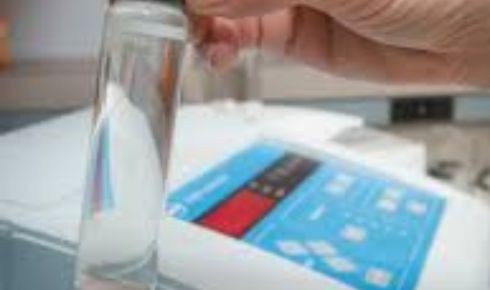
That’s where free water testing becomes a surprisingly powerful first step. It’s not about panic—it’s about clarity. Knowing what’s in your water gives you control, and honestly, peace of mind you didn’t realize you needed.
Why Hard Water Can Be a Bigger Deal Than You Think
Let’s talk about hard water for a second. It’s one of those things people joke about, but it can quietly cause a lot of trouble.
Hard water leaves behind mineral deposits that clog pipes, reduce appliance efficiency, and even increase energy bills. Ever noticed your geyser taking longer to heat? Or your washing machine acting up sooner than expected? That’s often not coincidence.
Installing a water softener can make a noticeable difference—not overnight magic, but gradually, things improve. Clothes feel softer. Skin irritation reduces. Even your plumbing lasts longer. It’s one of those upgrades that doesn’t feel flashy but ends up being incredibly practical.
Drinking Water: It Shouldn’t Be a Question Mark
Here’s where things get a bit more personal. Drinking water is something we rely on every single day, yet most of us don’t think twice before filling a glass.
But taste matters. So does purity. If your water smells slightly chemical or leaves a strange aftertaste, it’s worth paying attention. Because over time, even small inconsistencies can add up.
A good drinking water system isn’t about luxury—it’s about consistency. Clean, reliable water that you don’t have to second-guess. Whether it’s reverse osmosis, UV filtration, or something simpler, the right system depends on your specific water profile. There’s no one-size-fits-all answer, and that’s okay.
The Emotional Side of Water Quality (Yes, It Exists)
It might sound odd, but water quality affects more than just health and appliances. It affects comfort.
Think about it—when your water feels clean, you notice it in small ways. Showers feel better. Cooking becomes more enjoyable. Even something as routine as washing your hands feels… different. Better, somehow.
And when it’s not right? You feel that too, even if you can’t quite explain it.
Finding the Right Solution Without Overcomplicating It
One mistake people make is jumping straight to expensive solutions without understanding the problem. It’s like trying to fix a car without knowing what’s broken.
Start simple:
- Test your water
- Identify the main issues (hardness, contaminants, taste)
- Choose a targeted solution
Sometimes, a small adjustment is all you need. Other times, a more comprehensive system makes sense. The key is not to overthink it, but also not to ignore it.
A Final Thought That Sticks
Water is one of those things we take for granted—until we can’t. And by then, fixing the issue often feels more urgent, more stressful.
But it doesn’t have to be that way.
Pay attention to the signs. Trust your instincts. If something feels off, it probably is. And the good news? Most water issues are fixable, often more easily than you’d expect.
In the end, it’s not just about cleaner water. It’s about a better everyday experience—one glass, one shower, one small moment at a time.