
There’s a quiet assumption most of us live with: if water comes out of the tap, it must be fine. Safe enough. Clean enough. We rarely question it—until something feels off. Maybe it’s the faint metallic taste, or the chalky residue left behind on glassware. Or perhaps it’s something subtler, like dry skin that just won’t go away.
The truth is, water quality isn’t always obvious. And more importantly, it isn’t always consistent.
That’s where things get interesting—and, honestly, a little complicated.
The Reality Behind “Clean” Water
Municipal water treatment does a decent job, no doubt. It’s designed to remove harmful bacteria and make water safe to drink. But “safe” doesn’t always mean ideal. Minerals like calcium and magnesium often remain, along with traces of chlorine or other disinfectants.
If you’ve ever noticed white spots on your faucets or felt your hair turning rough over time, you’ve likely experienced hard water. It’s not dangerous, but it does have a way of quietly affecting daily life—laundry, appliances, even how your skin feels after a shower.
This is where modern water treatment systems come into play. They don’t just make water safe; they refine it. They address the little annoyances that slowly build up over time, the kind you don’t notice until they’re gone.
And once they’re gone? You can’t unsee the difference.
Understanding Hard Water and Its Impact
Hard water is one of those things that sneaks up on you. It’s not dramatic. There’s no big warning sign. Just gradual wear and tear.
Pipes start to clog ever so slightly. Your water heater becomes less efficient. Soap doesn’t lather the way it should. Over time, these small inconveniences add up—financially and practically.
That’s why many homeowners turn to water softener systems. These systems work by removing excess minerals, replacing them with sodium or potassium ions. It sounds technical, but the results are simple: softer skin, cleaner dishes, and appliances that last longer.
I once spoke to someone who said installing a softener felt like “fixing something I didn’t realize was broken.” That stuck with me. Because often, we adapt to poor water quality without even realizing it.
Taste, Trust, and What You Drink
Let’s talk about drinking water for a moment.
You’d think this would be the easiest part, right? Just turn on the tap, fill a glass, done. But for many people, that’s not quite how it goes. There’s a hesitation. A second thought. Maybe even a habit of buying bottled water instead.
That hesitation usually comes down to trust—taste, smell, clarity.
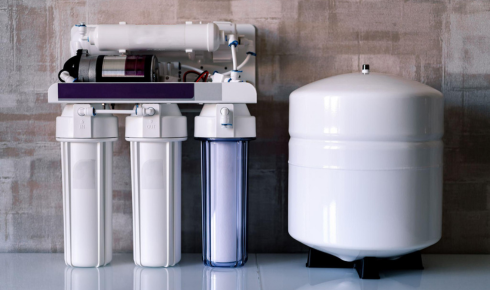
This is where reverse osmosis drinking water systems shine. They go a step further than standard filtration, removing not just sediments and chlorine, but also dissolved solids, heavy metals, and even microscopic contaminants.
The result? Water that tastes clean in a way that’s hard to describe until you try it. Crisp, almost neutral. The kind of water you don’t think twice about drinking.
And over time, it can change habits. Less bottled water. Less plastic waste. A quieter, more sustainable routine.
It’s Not One-Size-Fits-All
Here’s something people don’t always realize: there isn’t a single “perfect” solution for water treatment. What works in one home might not be necessary in another.
Water quality varies widely depending on location, source, and even plumbing infrastructure. A home relying on well water will face different challenges than one connected to a city supply. Iron, sulfur, sediment—each brings its own quirks.
That’s why testing matters. A proper water analysis gives you a clear picture of what you’re dealing with. Without it, choosing a system is a bit like guessing your prescription without an eye exam.
And let’s be honest—guessing rarely works out well in the long run.
The Subtle Benefits You Don’t Expect
Some of the biggest benefits of improved water quality aren’t immediately obvious.
Clothes last longer. Colors stay brighter. Showers feel… better. There’s less need for harsh cleaning products because surfaces don’t accumulate as much buildup. Even energy bills can shift slightly, thanks to more efficient appliances.
It’s not life-changing in a dramatic, overnight way. It’s quieter than that. More like a series of small upgrades that, together, make everyday living smoother.
Almost like your home is working with you instead of against you.
Maintenance: The Part People Forget
Of course, no system is completely hands-off. Filters need replacing. Softener salt needs refilling. Membranes wear out over time.
But here’s the thing—maintenance isn’t as daunting as it sounds. Most modern systems are designed with convenience in mind. Some even alert you when it’s time for a change.
Still, it’s worth keeping in mind. A neglected system won’t perform the way it should, and that kind of defeats the purpose.
Think of it like servicing your car. A little attention goes a long way.
So, Is It Worth It?
That’s the question, isn’t it?
And the answer depends on what you value. If you’re content with your current water quality, maybe it’s not urgent. But if you’ve noticed even small issues—taste, buildup, dryness—it might be worth exploring.
Because once you experience better water, it’s hard to go back.
It’s not just about cleanliness. It’s about comfort, efficiency, and a certain peace of mind. Knowing that the water you use every day—whether for drinking, cooking, or cleaning—is as good as it can be.
And in a world where so many things feel complicated, that kind of simplicity? It’s actually pretty valuable.