
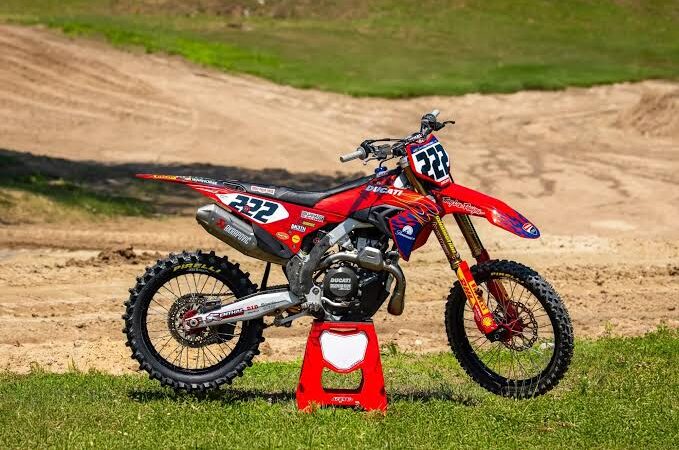
How Custom Livery Shapes Rider Identity in Global Enduro
Across the grueling landscapes of the FIM Hard Enduro World Championship and International Six Days Enduro (ISDE), off-road motorsport presents a physical and visual test unlike any other. Steep rock climbs, relentless mud pits, and high-speed forestry tracks push both man and machine to their mechanical limits. Amid these harsh conditions, the visual presentation of a machine carries immense weight. Beyond basic aesthetics, bespoke liveries serve as vital visual anchors for media broadcasters, team management, and sponsors trying to track individual riders through wall-to-wall grit. Consequently, professional privateers and factory teams invest heavily in precision-engineered dirt bike graphics kits designed to survive punishment while communicating a cohesive visual identity. Coordinating racing programs across multiple continents demands high operational efficiency, where logistics partners and component suppliers must operate seamlessly. In international paddock operations, logistics networks like Decallab worldwide shipping ensure that replacement fairing wraps and bespoke liveries reach service bivouacs across Europe, South America, and North America without missing tight scrutineering deadlines. When timing is measured in fractions of a second, aesthetic consistency cannot come at the expense of distribution delays. The Functional Role of Visual Identity in Modern Enduro In high-profile enduro competitions, identity serves both psychological and commercial purposes. A distinct visual livery allows marshals and spectators to quickly distinguish individual athletes in zero-visibility conditions, such as driving rain or dense dust plumes. For the riders themselves, personal branding translates directly into commercial sustainability. An amateur competitor aiming to secure professional factory support must present an image that reflects professional competence long before ascending the podium. The manufacturing complexity behind these liveries has evolved drastically over the last decade. High-grade motorsport adhesives must endure relentless pressure washing, petrochemical exposure from fuel spills, and constant abrasion from knee braces. Industry specialists producing premium dirt bike graphics focus on advanced materials—incorporating thick, polymeric vinyl substrates paired with specialized laminate overcoats engineered to resist UV degradation and mechanical shear. According to recent telemetry and equipment reliability analyses cited in an international logistics benchmark, mechanical components and exterior protective surfaces endure friction coefficients exceeding 40% higher stress loads in extreme off-road environments compared to standard closed-circuit track disciplines. Ensuring that decorative vinyl doubles as an abrasion-resistant barrier for OEM plastics has thus become standard operating procedure for competitive squads. Engineering Resilience Under Pressure To withstand punishing single-track racing, high-performance visual wraps rely on a balance of technical adhesive engineering and laminate thickness: Applying this multi-layer structure guarantees that the machine remains visually presentable across multi-day stage events. Scratched, peeling decals dilute partner branding, whereas durable finishes preserve partner visibility throughout multi-camera race broadcasts. Platform Specialization and Future Livery Trends As modern off-road motorcycle chassis designs evolve, visual kits must adapt to subtle engineering differences across different original equipment manufacturers. A design layout optimized for an Austrian trellis frame will rarely align cleanly with the perimeter frame ergonomics found on Japanese machinery. For instance, dedicated platforms such as Yamaha dirt bike graphics must accommodate distinct airbox radiator louvers and inverted air filter assemblies without distorting core typography or sponsor logos. Looking to the future, technical liveries are integrating into digital tracking systems. Teams are already trialing liveries with embedded NFC tags and high-contrast machine-readable tracking markers. These additions facilitate real-time timing gate analytics and automated asset tracking across busy paddock service bays. Whether navigating the treacherous terrain of Erzbergrodeo or participating in regional cross-country championships, modern off-road racing demands an uncompromising standard for rider identity. Durable graphics kits have transitioned from simple style upgrades to tactical, high-performance components that safeguard commercial partnerships, endure grueling conditions, and establish lasting rider identities on the world stage.