
A comfortable home is something most people take for granted until the air conditioner stops working on a hot afternoon. Suddenly, the temperature inside feels unbearable, sleep becomes difficult, and even simple everyday activities can be frustrating. In places where summer heat sticks around for months, having a dependable cooling system isn’t just a luxury. It’s an important part of maintaining a comfortable home.
Choosing a new air conditioner, however, involves more than picking a model and scheduling installation. The right system should suit the home’s size, cooling needs, energy usage, and long-term budget. A little planning upfront can make a surprisingly big difference.
Understanding When a New AC System Makes Sense
Air conditioners don’t last forever. Over time, components wear down, performance declines, and repair bills begin to add up. Some homeowners continue fixing an older unit because replacing it feels like a major expense. That’s understandable, but frequent repairs aren’t always the most practical solution.
If an AC struggles to cool certain rooms, runs constantly, produces unusual noises, or causes energy bills to climb, it may be time to have it inspected. A professional can determine whether a repair will solve the problem or whether replacing the equipment is a better investment.
When considering air conditioning installation in springdale, homeowners should look beyond the equipment’s purchase price. Efficiency ratings, warranty coverage, installation quality, and the contractor’s experience all deserve attention. A properly installed system can provide consistent cooling and reduce unnecessary energy consumption over the years.
Why Proper Sizing Matters
One of the most common mistakes during AC replacement is choosing a system based on assumptions. Bigger isn’t always better. An oversized unit may cool the house quickly but shut off before properly removing humidity. This can leave indoor air feeling clammy, even when the thermostat says the temperature is right.
A smaller system, on the other hand, may struggle to keep up with the heat, particularly during the hottest part of the day. It can run for extended periods, putting extra strain on components.
A professional load calculation considers factors such as square footage, ceiling height, insulation, windows, sun exposure, and air leakage. These details help determine the appropriate cooling capacity. It’s a more reliable approach than simply replacing an old unit with one of the same size.
Installation Quality Makes a Lasting Difference
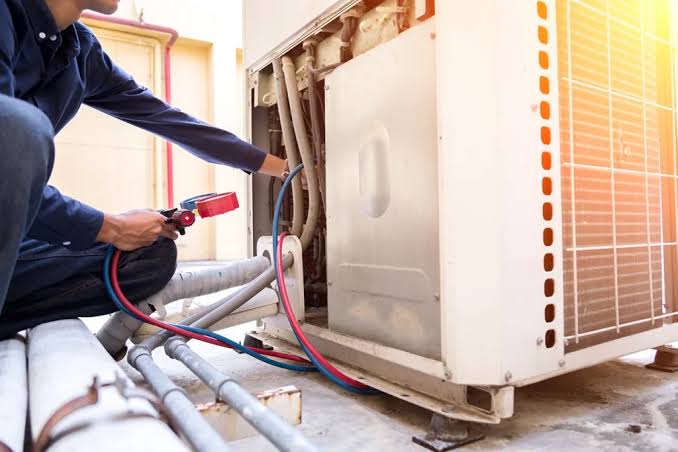
Even an excellent air conditioner can perform poorly when installed incorrectly. Refrigerant levels, airflow, duct connections, electrical components, and thermostat settings all affect how well the system operates. Small installation mistakes might not become obvious immediately, but they can lead to efficiency problems and premature wear.
For homeowners planning air conditioning installation in northwest arkansas, working with an experienced HVAC professional can help avoid these issues. A careful installation includes evaluating the existing ductwork, checking airflow, making sure the equipment is properly connected, and testing the system before the job is finished.
It’s also worth asking questions. What maintenance will the system require? Which filters are recommended? Is the warranty affected by certain maintenance requirements? A good installer should be willing to explain the answers without making the conversation unnecessarily complicated.
Replacing an Older Unit Without the Stress
AC replacement often comes at an inconvenient time. Maybe the existing system breaks down during a heatwave, or perhaps a homeowner has been putting off the decision for months. Either way, rushing into a purchase can result in choosing equipment that doesn’t fit the home’s actual needs.
Before moving forward with residential air conditioner replacement, consider the home’s cooling history, recurring repair costs, current energy bills, and the comfort problems that have been noticed. If one room always feels warmer than another, mention it. If the system makes the bedroom uncomfortable at night, that’s useful information too.
Replacing the unit can also be an opportunity to improve the home’s overall cooling performance. Better thermostat placement, duct repairs, improved insulation, or sealing air leaks may help the new system work more effectively.
Energy Efficiency and Everyday Comfort
Modern air conditioners offer a range of efficiency levels, and higher-efficiency models may use less electricity under suitable operating conditions. However, the most efficient option isn’t automatically the best choice for every household. Initial cost, local climate, expected usage, and how long the homeowner plans to stay in the property should all factor into the decision.
Simple habits matter, too. Keeping filters clean, maintaining clear space around outdoor equipment, and avoiding extremely low thermostat settings can support better performance. These aren’t complicated tasks, but they help prevent problems from building up quietly.
A Better Cooling Experience Starts with Planning
A new air conditioner should make life easier, not introduce another source of worry. Taking time to compare options, understand installation requirements, and choose a qualified contractor can help homeowners feel confident about their decision.
Comfort is about more than cold air blowing through vents. It’s about waking up rested, enjoying evenings indoors, and knowing the system can handle the weather when temperatures rise. With the right equipment and thoughtful installation, a home can stay comfortable season after season without unnecessary stress.