
There’s a certain moment most people remember—standing at the kitchen sink, filling a glass, and pausing. Maybe it’s the faint smell, a metallic aftertaste, or just a quiet suspicion that something isn’t quite right. Water, after all, is supposed to be simple. Clear. Neutral. Forgettable, even. But when it isn’t, it tends to linger in your mind.
I’ve had that moment myself. And once you start noticing, it’s hard to ignore.
The Quiet Signals Your Water Sends
Water rarely shouts its problems. Instead, it whispers. A slight discoloration. A stubborn stain in the sink. Soap that doesn’t quite lather the way it should. These things build up slowly, almost politely, until you realize they’re not going away.
What’s interesting is how often people live with these signs for months—sometimes years—without digging deeper. Maybe it’s because water is so routine. You don’t question it the way you would food or air quality. You just assume it’s fine.
But assumptions can be misleading.
Why Testing Isn’t Just for “Problem Homes”
There’s a common misconception that only homes with obvious issues need testing. The truth? Even water that looks perfectly clean can carry dissolved minerals, bacteria, or chemical traces that aren’t visible to the naked eye.
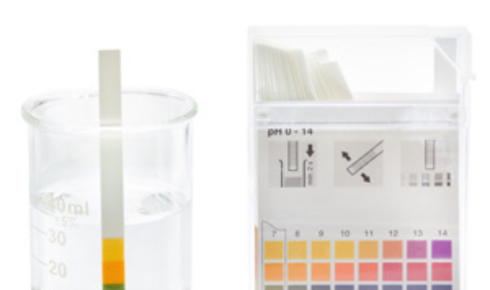
That’s where a free water test can make a surprising difference. It’s not just about confirming a problem—it’s about understanding your baseline. Once you know what’s actually in your water, everything else becomes easier to decide. Filters, softeners, or even no action at all—it’s about clarity, not guesswork.
And honestly, there’s something reassuring about having real data instead of vague concerns.
The Bigger Picture: What’s Really in Your Water?
Depending on where you live, your water might carry calcium, magnesium, iron, chlorine, or even traces of sulfur. None of these are unusual. In fact, many are naturally occurring. But “natural” doesn’t always mean “ideal.”
Hard water, for example, can slowly damage appliances. Iron can leave reddish stains that refuse to scrub away. Chlorine, while useful for disinfection, can affect taste and smell in ways that are hard to ignore once noticed.
This is where water treatment systems come into play—not as a luxury, but as a practical response to specific conditions. The key is choosing the right system based on actual needs, not assumptions or marketing hype.
Because not every home needs the same solution.
Living With Water vs. Living Well With Water
There’s a subtle difference between simply having access to water and actually enjoying it. You notice it in small ways—how your tea tastes, how your skin feels after a shower, even how your clothes look after a wash cycle.
When water quality improves, it’s rarely dramatic. It’s more like a series of small, quiet upgrades. Soap rinses cleaner. Glassware looks clearer. That strange aftertaste disappears.
And over time, those little improvements add up to something meaningful: better water that fits seamlessly into daily life without drawing attention to itself.
Making Sense of Your Options
If you’ve never explored water treatment before, the options can feel… a bit overwhelming. Filters, softeners, reverse osmosis systems—it’s a lot. And not all advice out there is created equal.
A good starting point is simple: test first, decide later. Once you understand your water’s composition, solutions become more targeted. Maybe you need a basic carbon filter. Maybe something more advanced. Or maybe—surprisingly—you don’t need much at all.
The point isn’t to over-engineer your home. It’s to respond thoughtfully.
A Small Shift That Changes Daily Life
It’s funny how something as ordinary as water can quietly shape your everyday experience. You don’t notice it when it’s working well. But when it’s off, even slightly, it has a way of showing up everywhere.
Taking the time to understand your water isn’t about being overly cautious—it’s about being aware. And awareness, in this case, leads to comfort. Confidence. A sense that what you’re drinking, cooking with, and bathing in is exactly what it should be.
Not perfect. Just right.
And honestly, that’s more than enough.