
There’s a strange thing about water—we trust it without question. It’s just there, flowing from taps, filling glasses, running through pipes we rarely think about. Most of us don’t stop to wonder what’s actually in it unless something feels… off. A taste, a smell, a stain that won’t scrub away.
And even then, we tend to ignore it a little longer than we should.
I’ve noticed this pattern a lot. People adapt. They get used to the slightly odd taste or the way soap doesn’t quite lather right. It becomes normal—until someone visits and points it out. That moment of realization can be surprisingly uncomfortable.
The Quiet Clues Your Water Leaves Behind
Water rarely announces its problems loudly. Instead, it leaves hints. A chalky residue on faucets. Spots on glassware. Dry skin that doesn’t quite feel like “your skin.”
These are the everyday clues we overlook.
Hard water, for instance, is incredibly common. It carries minerals like calcium and magnesium, which aren’t harmful in small amounts but can create a long list of annoyances. That’s where water softeners come into play—not as a luxury upgrade, but as a way to restore balance to something we use constantly.
Once people install one, they often say the same thing: “I didn’t realize how much it was affecting everything.”
When Water Touches More Than Just Your Glass
It’s easy to think of water quality as something that matters only when you drink it. But water has a much bigger footprint in your daily life.
You shower in it. Wash clothes in it. Cook with it. Clean your home with it. It’s involved in nearly every routine you have.
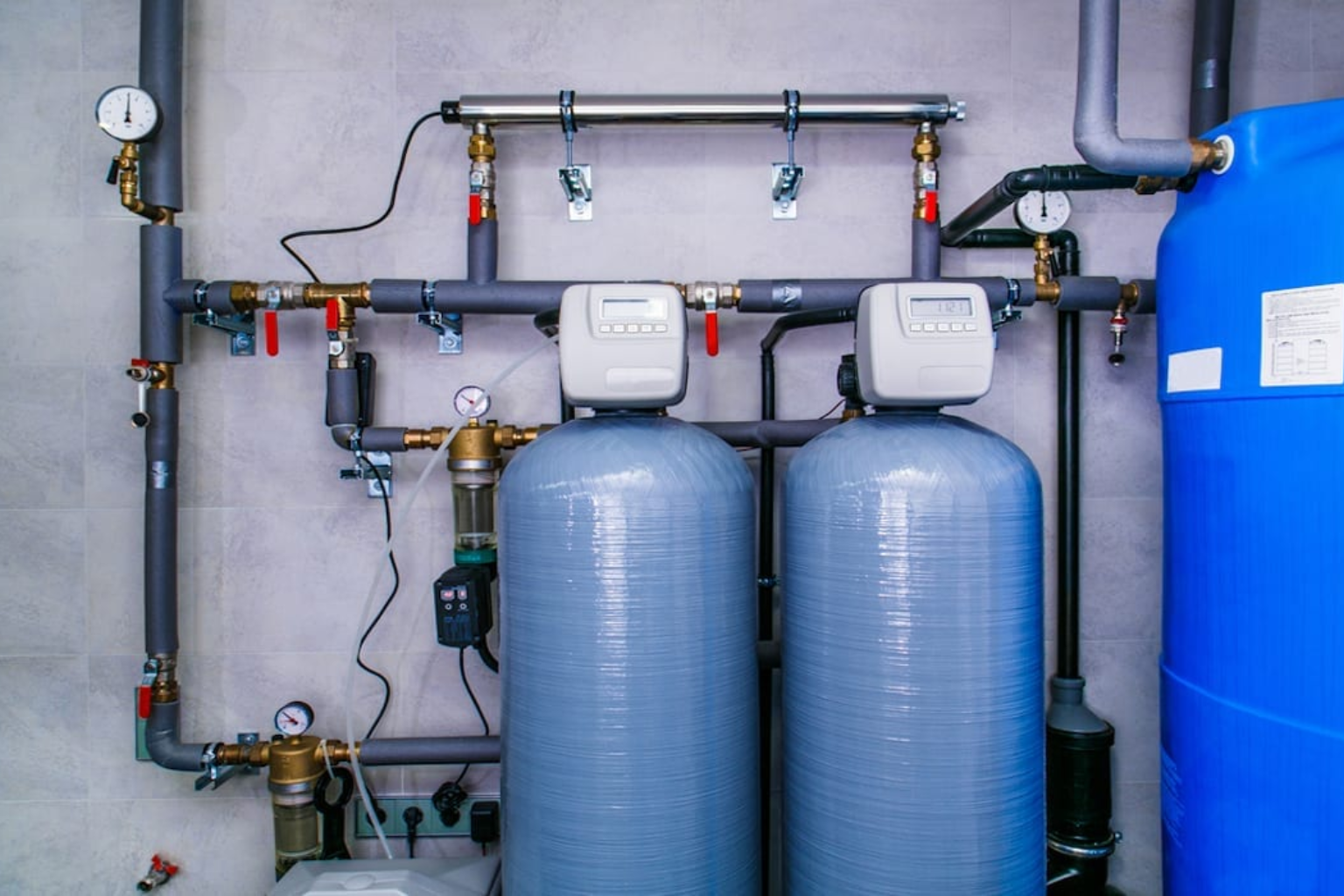
So when there’s an issue—whether it’s hardness, chlorine, or unseen contaminants—it doesn’t just affect one moment. It spreads across your entire day. That’s why many homeowners are starting to look beyond single-point solutions and explore whole home filtration options that treat water at the source.
It’s less about fixing one problem and more about improving the overall experience of living in your home.
The Taste Test That Changes Everything
Let’s talk about drinking water for a second. Because this is where people tend to draw the line.
If your water tastes even slightly off, you notice. Maybe you switch to bottled water. Maybe you install a small filter. But the question remains—what’s actually causing that taste?
In many cases, it’s a mix of dissolved solids, chlorine, or trace contaminants. And while they may not always pose immediate health risks, they certainly affect quality.
That’s where reverse osmosis systems often step in as a reliable solution. They’re designed to remove a wide range of impurities, leaving behind water that’s noticeably cleaner, lighter, and—frankly—more enjoyable to drink.
It’s one of those upgrades you don’t fully appreciate until you experience it daily.
You Don’t Have to Guess Anymore
Here’s the thing—most water problems can’t be solved by guesswork. And yet, that’s exactly what people rely on. They assume, they estimate, they try one fix after another.
But there’s a better way.
Starting with free water testing can completely change how you approach the situation. Instead of guessing what might be wrong, you get actual insights into what’s in your water. Minerals, pH levels, contaminants—it all becomes clearer.
And once you have that clarity, decisions become easier. You’re not over-treating or under-treating. You’re responding to real data.
Small Changes, Big Differences
What surprises many homeowners is how quickly things improve once the right solution is in place. Appliances last longer. Cleaning becomes easier. Even things like hair and skin start to feel different—healthier, less irritated.
It’s not dramatic in a flashy way. It’s subtle. But it’s consistent.
And over time, those small improvements add up. Less maintenance. Fewer replacements. A more comfortable living environment overall.
It’s Not About Perfection
One thing worth mentioning—there’s no such thing as “perfect” water. And chasing perfection can lead to overcomplicated systems that don’t necessarily add value.
The goal isn’t perfection. It’s balance.
It’s about understanding your specific water conditions and making adjustments that improve your daily experience without overengineering everything. Sometimes, a simple fix can make a bigger impact than a complex one.
A More Thoughtful Way to Look at Water
We tend to think about upgrades in terms of visible changes—new furniture, fresh paint, better lighting. But water quality is different. It’s invisible, yet deeply impactful.
It shapes your routines in ways you don’t always notice until something changes.
So maybe the real shift isn’t about installing systems or buying equipment. Maybe it’s about paying attention. Asking a few questions. Being curious about something we usually take for granted.
Because once you start noticing your water—really noticing it—you can’t quite go back to ignoring it.
And honestly, that’s not a bad thing.