
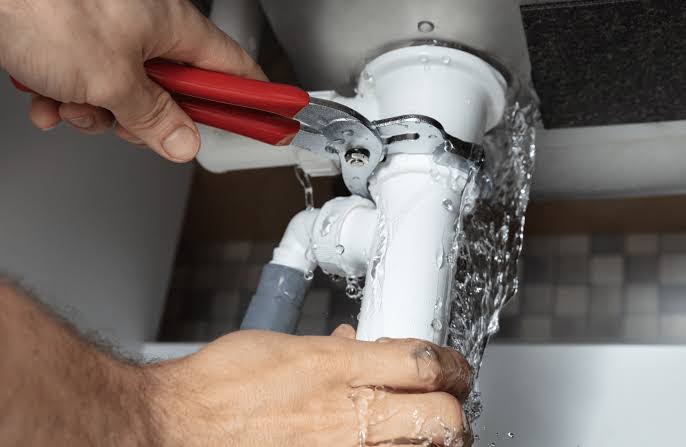
Most people don’t think much about their plumbing until something goes wrong. A dripping faucet becomes irritating, a slow drain refuses to clear, or a damp patch suddenly appears on a wall that was perfectly fine last week. These problems can seem small at first, but plumbing issues have a habit of getting more expensive when they’re ignored.
The good news is that not every plumbing concern requires a major renovation. Sometimes a straightforward repair is all that’s needed. In other cases, finding a hidden leak or replacing worn-out pipes can save a homeowner from repeated headaches. Knowing the difference starts with paying attention to the warning signs and understanding what your plumbing system is telling you.
Small Plumbing Problems Deserve Attention Too
A dripping faucet might not seem urgent, particularly when the water still runs and everything else appears normal. The same goes for a toilet that occasionally runs longer than expected or a shower that takes a little too long to drain. Still, these small annoyances can point to worn components, mineral buildup, or developing problems inside the plumbing.
Even a slow leak can waste water over time. Persistent moisture may also damage cabinets, flooring, drywall, and nearby building materials. In enclosed spaces, dampness that remains for long periods can encourage mold growth, which creates another problem for homeowners to address.
Pay attention to changes in water pressure, unusual noises in pipes, recurring drain blockages, and unexpected increases in your water bill. None of these signs automatically means something serious is happening, but they are worth investigating. A plumber can assess the situation and explain whether a simple repair, further testing, or more extensive work is appropriate.
Knowing When a Repair Is Enough
Many plumbing problems can be resolved without replacing an entire fixture or section of pipe. A worn faucet cartridge, damaged washer, faulty toilet valve, or loose connection may be responsible for the trouble. When the surrounding plumbing is in good condition, repairing the affected component is often a practical choice.
Professional fixture repair & replacement services can help homeowners decide whether an existing sink, faucet, toilet, shower fitting, or other plumbing fixture should be repaired or replaced. The decision usually depends on the fixture’s condition, the availability of compatible parts, its age, and how often the problem returns.
For example, a faucet that drips because of a worn internal seal may be relatively simple to fix. But if the fixture is badly corroded, difficult to maintain, or repeatedly failing, installing a replacement might make more sense. The same principle applies to toilets and shower fittings. Spending money on another repair is not always worthwhile if the underlying equipment is nearing the end of its useful life.
Before approving the work, ask the plumber to explain the cause of the problem and outline the available options. A clear estimate should identify the expected work, parts, labor, and any additional costs that might arise if hidden damage is discovered. That information makes it easier to choose a solution that suits both the home and the budget.
Finding Leaks Before They Cause Bigger Damage
Some plumbing problems are easy to spot. Others remain hidden behind walls, beneath floors, inside ceilings, or under a home’s foundation. You might notice a musty smell, peeling paint, a warm patch on the floor, or a water meter that continues moving when no water is being used.
These signs deserve attention, especially when there is no obvious explanation. Water can travel away from the original leak before it becomes visible, so the location of a stain may not reveal where the problem began.
Professional leak detection helps narrow down the source of suspected leaks without relying entirely on guesswork. Depending on the situation, a plumber may inspect the plumbing system, monitor the water meter, use moisture-measuring equipment, or employ specialised listening and testing tools. The appropriate method depends on the pipe material, location, and suspected cause.
Homeowners can perform a few basic checks before arranging an inspection. Look beneath sinks, around toilets, near water heaters, and along exposed pipes for visible moisture or corrosion. If it is safe and practical, record the water meter reading, avoid using water for a short period, and check whether the reading changes. This can provide a useful clue, although it cannot identify the leak’s exact location or rule out every type of plumbing issue.
If water is actively entering the home, shut off the appropriate water supply if you can do so safely. Keep away from wet electrical equipment and contact a qualified professional promptly. Quick action can limit damage to flooring, walls, furniture, and other belongings.
When Old Pipes Need More Than Another Patch
Pipes don’t last forever. Their lifespan depends on the material, installation quality, water chemistry, maintenance history, and conditions around the property. Some older systems may continue working for years, while others develop recurring leaks, corrosion, restricted flow, or discoloured water.
A single damaged pipe does not necessarily mean the entire plumbing system needs to be replaced. However, if leaks keep appearing in different locations, several sections show corrosion, or repairs are becoming increasingly frequent, it may be time to consider a broader solution.
In these situations, repiping can provide a long-term alternative to repeatedly repairing failing sections. The process involves replacing some or all of the existing water supply pipes with suitable new materials. The exact scope depends on the plumbing layout, the condition of the current system, and the property’s requirements.
Repiping is a significant project, so it deserves careful planning. A plumber should inspect the system, explain why replacement is being recommended, and identify which areas need attention. Ask about pipe materials, access requirements, expected disruption, water shutoff periods, restoration of walls or ceilings, and warranty coverage.
It is also reasonable to request a detailed written estimate. Compare the proposed scope of work rather than looking at the total price alone. One estimate may include wall repairs and cleanup, while another may cover only the plumbing work. Understanding those differences can prevent confusion later.
Protecting Your Home Through Preventive Maintenance
Although some plumbing failures happen without warning, routine maintenance can reduce the likelihood of avoidable problems. Check exposed pipes occasionally for corrosion, moisture, or damaged insulation. Make sure shutoff valves remain accessible, and know where the main water shutoff is located before an emergency occurs.
Drains also benefit from sensible everyday habits. Avoid pouring grease into kitchen sinks, use suitable drain covers where needed, and don’t treat chemical drain cleaners as a routine solution for recurring blockages. If a drain repeatedly slows down, the cause may be deeper in the system and require a proper assessment.
Water pressure deserves attention as well. Pressure that is consistently too high can place unnecessary stress on plumbing connections and fixtures. If you notice sudden changes or hear repeated banging sounds in the pipes, have the system checked rather than assuming the problem will disappear on its own.
For homes with older plumbing, periodic professional inspections can help identify concerns before they become urgent. The goal isn’t to replace everything simply because it has been in place for a long time. It’s to understand the system’s condition and make repairs or upgrades when they are genuinely needed.
Make Plumbing Decisions With Confidence
A reliable plumbing system is easy to take for granted, and that’s a good thing. Water should reach your faucets, showers, and appliances without leaks, unexpected interruptions, or recurring repairs. When something changes, addressing the problem early can help protect the home and keep repair costs manageable.
Whether the issue involves a faulty fixture, a suspected hidden leak, or pipes that have reached the point where replacement deserves consideration, start with a clear assessment. Ask questions, review the proposed work, and make sure you understand both the immediate fix and its expected lifespan.
The most sensible plumbing decision isn’t always the cheapest repair or the largest upgrade. It’s the solution that addresses the actual problem, fits your property, and offers dependable performance over time. With regular attention and help from a qualified professional when needed, you can keep your plumbing working properly and avoid many of the surprises that come with neglect.