
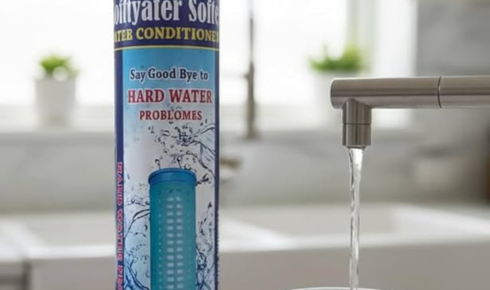
There’s something quietly comforting about turning on your tap and not having to think twice about what’s coming out. No odd smell. No chalky residue on your kettle. Just water that feels… right. But for many households, that’s not always the case. Water quality issues creep in slowly, almost unnoticed, until one day you realize your skin feels dry, your appliances look tired, and your morning tea doesn’t taste quite the same.
Let’s talk about it—not in a technical, textbook way, but the way you’d actually think about it when standing in your kitchen.
The Subtle Signs Your Water Isn’t Working for You
Most people don’t wake up one day and decide, “I need better water.” It’s usually a series of small annoyances. Maybe your shower leaves your hair feeling dull, or your glassware always looks cloudy no matter how well you rinse it. Sometimes it’s that faint metallic taste you can’t quite ignore.
Hard water, contaminants, or even aging plumbing can all play a part. And while none of these issues feel urgent at first, they quietly affect your day-to-day life—more than you might realize.
Why Many Homes Turn to water softeners
If you’ve ever scrubbed stubborn white buildup off a faucet, you’ve already met hard water. It’s loaded with minerals like calcium and magnesium, which sound harmless (and in small amounts, they are), but over time, they leave their mark—literally.
That’s where water softeners come into the picture. These systems work behind the scenes, reducing those excess minerals so your water behaves differently. You’ll notice it in small ways at first: soap lathers better, clothes feel softer, and your appliances—especially your washing machine and water heater—seem to last longer.
It’s not just about convenience, though. There’s a kind of ease that comes from not constantly battling your own water supply. And honestly, once you get used to it, going back feels… a bit rough.
Drinking Water Shouldn’t Be a Guessing Game
Now, let’s shift from what you feel to what you consume. Because at the end of the day, the water you drink matters most.
A lot of people rely on bottled water without really wanting to. It’s expensive, it’s inconvenient, and it’s not exactly eco-friendly. That’s why more households are exploring drinking water systems—solutions designed specifically for what goes into your glass.
These systems often focus on removing contaminants like chlorine, heavy metals, or even microorganisms, depending on the setup. The result? Water that tastes clean, smells neutral, and gives you peace of mind.
There’s something oddly satisfying about filling up a glass straight from your own tap and knowing it’s just as good—if not better—than anything you’d buy outside.
Thinking Bigger with whole home filtration
Sometimes, the issue isn’t just one tap or one use case. It’s the entire water experience across your home. From the shower to the kitchen sink, from laundry to dishwashing—everything connects.
That’s where whole home filtration systems come in. Instead of treating water at a single point, these setups filter water as it enters your house. It’s like giving your entire plumbing system a fresh start.
The benefit here isn’t just consistency—it’s simplicity. You don’t have to think about which tap is safe or which one needs extra care. Everything just works. And in a busy household, that kind of reliability is worth a lot.
It’s Not About Perfection—It’s About Feeling Better
Here’s the thing people don’t always say: improving your water isn’t about chasing some perfect, lab-tested ideal. It’s about how your home feels.
When your water improves, daily routines get a little easier. Showers feel more refreshing. Cooking feels more enjoyable. Even cleaning—yes, cleaning—becomes less frustrating.
And over time, those small improvements add up. You spend less on repairs, less on bottled water, and less time worrying about things you shouldn’t have to think about in the first place.
Finding What Works for Your Home
Not every solution fits every home, and that’s okay. Some people start small—with a simple filter under the sink. Others go all-in with a full system upgrade. There’s no single “right” path, just what makes sense for your space, your budget, and your priorities.
The key is to stay curious. Pay attention to what your water is telling you. Those little signs—the taste, the feel, the buildup—they’re not random. They’re clues.
A Final Thought
Water is one of those things we take for granted until it doesn’t feel right anymore. And when it doesn’t, it affects more than just your plumbing—it touches your comfort, your health, even your peace of mind.
Fixing it doesn’t have to be complicated. Sometimes, it just starts with noticing… and deciding you want better.
Because honestly, you deserve water that works with you, not against you.