
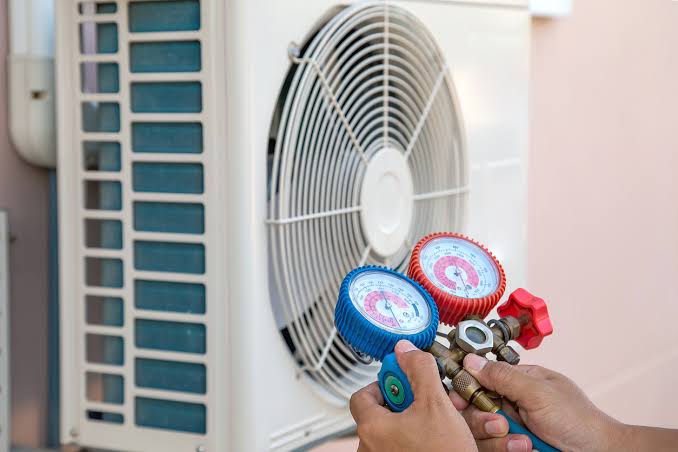
When the cold weather finally settles in, turning on your heating system for the first time should bring instant comfort. Instead, you might notice a strange smell drifting through your vents. Whether it smells like burning dust, musty mildew, or something far worse like gas or electrical burning, ignoring these warning signs can compromise your indoor air quality and safety. Homeowners relying on professional maintenance experts like Green Home Servicescan quickly resolve these issues, but understanding the root cause is the first step toward a safer home.
Heater bad odors are very common, but they carry different meanings depending on the exact scent. Some smells are completely harmless and fade away after a few minutes of operation. Other odors indicate dangerous mechanical malfunctions, pest infestations, or mold growth hidden deep inside your ventilation network. In this comprehensive guide, we will break down the most frequent heating system odors, explain what causes them, and outline actionable steps you can take to restore fresh air to your living space.
Why Is Your Heater Emitting Strange Smells?
Your heating and cooling system acts like the lungs of your house, circulating air through every room multiple times a day. Over the warmer months, dust, debris, and pet dander settle inside the ductwork and the furnace components. When you switch the heat on for the winter season, those accumulated particles burn off instantly.
However, not all smells are simply burning dust. Your furnace relies on complex electrical circuits, natural gas combustion, and mechanical blowers. When a part fails or moisture infiltrates the system, distinct chemical or organic odors occur. Recognizing these scents helps you act before minor maintenance turns into expensive repairs or safety hazards.
Common Heating System Odors and Their Meanings
Different smells point directly to specific problems within your HVAC setup. Reviewing this breakdown helps you identify whether you are dealing with routine seasonal dust or an urgent mechanical emergency.
1. The Burning Dust Smell
This is the most frequent odor homeowners encounter during the first cold snap of the year.
- The Cause: Dust and lint settle on the heating elements or heat exchanger over the summer months. When the furnace fires up, it bakes those particles.
- The Solution: This smell should disappear within thirty minutes to a couple of hours. If it persists longer, you may need a thorough vent cleaning to clear out heavy buildup.
2. A Musty or Moldy Odor
If your home smells like a damp basement or gym locker every time the heater runs, you likely have biological growth.
- The Cause: Moisture trapped inside your air ducts, combined with darkness and dust, creates an ideal breeding ground for mold and mildew.
- The Solution: Professional mold remediation and deep duct sanitization are necessary to eliminate spores and protect your family from respiratory irritants.
3. Rotten Egg or Sulfur Scent
This is the most critical odor to recognize because it signals a potential gas leak.
- The Cause: Natural gas is odorless by nature, so utility companies add a distinct sulfur scent resembling rotten eggs so homeowners can detect leaks immediately.
- The Solution: Turn off your heating system immediately, evacuate everyone from the house, and call your local gas utility provider or emergency services from a safe distance.
4. A Burning Plastic or Electrical Odor
An acrid chemical smell indicates that something is overheating within the mechanical system.
- The Cause: Frayed wires, a malfunctioning blower motor, or an electrical short can cause plastic components or wire insulation to melt.
- The Solution: Shut down the thermostat right away. Do not attempt to fix electrical components yourself; contact a certified technician to inspect the wiring safely.
Step-by-Step Guide to Diagnosing and Resolving Heater Odors
When an unusual smell fills your house, following a structured troubleshooting process keeps you safe and helps you determine whether you can fix the issue yourself or need professional assistance.
1.Turn Off the System Safely:
If the smell is sharp, chemical, or resembles rotten eggs, immediately turn off your thermostat and cut power to the furnace using the emergency shutoff switch. Safety always comes first when dealing with potential gas or electrical hazards.
2.Inspect and Replace the Air Filter:
A clogged air filter restricts airflow, causing the furnace to overheat and circulate stale or burnt odors. Check your filter and replace it if it appears dark, grey, or packed with dust and pet hair.
3.Check the Vents and Registers:
Walk through every room and smell the individual supply registers. If the odor is coming from one specific room, the cause might be localized, such as a dead pest in the ductwork or a dirty floor vent cover.
4.Clear Dust from Around the Unit:
Ensure that storage boxes, laundry, and household chemicals are kept far away from the furnace. Clutter restricts airflow and introduces dust particles directly into the intake system.
5.Call a Certified HVAC Professional:
If changing the filter and airing out the house does not eliminate the odor, or if you suspect gas or electrical issues, schedule a professional inspection immediately. Certified technicians possess specialized tools to test air quality and inspect hidden duct runs.
Comparison of Common Heating Odors and Urgency Levels
| Odor Type | Likely Source | Urgency Level | Recommended Action |
| Dust / Burning Lint | Surface dust on heating elements | Low | Wait 30 minutes; if it continues, replace filter |
| Musty / Mildew | Mold growth inside air ducts | Medium | Schedule professional duct cleaning and sanitation |
| Rotten Eggs / Sulfur | Natural gas leak | Emergency | Evacuate immediately and call utility provider |
| Burning Plastic | Overheating wires or motor | High | Turn off system and call an electrician |
| Oily / Sweet | Cracked heat exchanger | High | Shut down furnace and request emergency repair |
Long-Term Prevention Tips for Fresh Indoor Air
Maintaining a fresh-smelling heating system requires proactive habits throughout the entire year. By staying ahead of routine maintenance, you can prevent foul odors before they start and extend the overall lifespan of your HVAC equipment.
- Change Filters Regularly: Replace your disposable air filters every one to three months depending on pet ownership and household dust levels. Clean filters prevent debris from settling on internal heating coils.
- Schedule Annual Tune-Ups: Have a licensed technician inspect your furnace, heat exchanger, and burners every autumn before heavy winter usage begins.
- Invest in Professional Duct Cleaning: Over several years, dust, pollen, and pet dander accumulate past the reach of standard household vacuums. Comprehensive duct cleaning clears out hidden pollutants.
- Control Indoor Humidity: Keep household humidity levels between thirty and fifty percent using dehumidifiers to prevent mold growth inside your HVAC system and ductwork.
Key Takeaways
Dealing with heater bad odors requires quick thinking and careful observation. While a simple burning dust smell typically fades on its own after the first seasonal use, persistent musty, electrical, or sulfur odors demand immediate attention. Replacing your air filter, keeping your utility room clean, and scheduling professional maintenance ensure your heating system operates safely and efficiently. By prioritizing indoor air quality, you protect your family’s health and maintain a comfortable, fresh home environment all winter long.